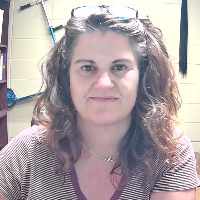
Misha Greer
LPC
Grounded counselor for life transitions
Opens BetterHelp in a new tab, where you can review online therapy options.
- Person-centered support
- Focus on anger and stress
- Practical coping skills
About Misha
She brings a person-centered approach to each session. Conversations cover practical skills like communication, self-care, and coping strategies. Misha pays attention to cultural background and how identity shapes challenges and strengths.
Her work often addresses complex issues such as trauma, grief, addiction, and compassion fatigue. She also supports people facing career stress, parenting strains, and intimacy-related concerns. Sessions include gentle exploration of past hurts alongside concrete steps for moving forward.
Misha integrates attachment-focused ideas and cognitive techniques when they fit a client’s needs. These methods help people understand relational patterns and change unhelpful thoughts that fuel anger or anxiety. The aim is steady progress rather than quick fixes.
Clients can expect a collaborative tone. Misha listens for strengths and builds plans that match daily life. For parents or those juggling many roles, she focuses on small shifts that create relief and clearer communication.
Areas of expertise
Primary focus
Also works with
Additional focus areas
Therapeutic approaches
Experience
22+ years
Credentials
Alabama
Languages
English
Therapeutic approaches and online care
Misha often uses Attachment-Based Therapy and Cognitive Behavioral Therapy in her work. Attachment-based ideas help people see patterns in close relationships and how early bonds affect current reactions. Cognitive Behavioral Therapy focuses on shifting unhelpful thinking and building practical skills to reduce anxiety, anger, and low mood.Finding the right approach is part of the process. She meets clients where they are and discussed options together. The therapist and client decide whether relational exploration, skills practice, or a mix of both best fits the goals and preferences.
Confirm current session options before booking so you know how she is offering care. Online therapy can make it easier to fit sessions into a busy life, allow shorter check-ins when needed, and remove travel time between work or caregiving tasks. Talk with Misha about what you need to make sessions comfortable and useful, and she will help match the approach to your daily routine and goals.
At a glance
- Listed location
- Alabama
- Experience
- 22+ years
- Credentials
- LPC
- Languages
- English
- License (Alabama)
- LPC · No. LPC02300
- NPI
- 1952868028
As listed by the therapist. You can check a license with the state board and an NPI with the national registry.
Frequently asked questions
What concerns does Misha commonly address?
Misha works with a wide range of concerns including stress, anxiety, depression, anger, relationship and intimacy issues, grief, trauma, addictions, self-esteem, parenting strain, ADHD, and career stress.
How would you describe her therapeutic style?
Her style is collaborative and person-centered. She listens for strengths, offers practical coping tools, and combines relational insight with thought-focused techniques when helpful.
What is her professional background?
Misha has 22 years of experience as a licensed counselor. She has worked with people facing identity exploration, life transitions, and long-term emotional challenges.
Where is she licensed and practicing?
She holds an AL LPC credential and practices in Alabama.
Which languages are supported during sessions?
Sessions are offered in English.
Can people outside the United States work with her?
International clients are not currently accepted.
How are sessions scheduled and what do they cost?
Cost varies with location and therapist availability; sessions use a subscription that can be canceled at any time.
How do I begin working with Misha?
Select the Start Therapy button, complete a short matching questionnaire, and schedule according to therapist availability.
Before you start
- Online talk therapy is not a court-ordered or mandated anger-management course, and it does not provide attendance certificates.
- Check that the location and license details above fit where you live.
- If anyone is at risk of being harmed, contact emergency services or a domestic-abuse helpline first. See the support lines for the US, UK and Australia.