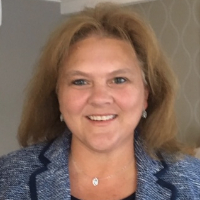
Michelle Gross
LCMHC
Counselor blending practical coaching and clinical care
Opens BetterHelp in a new tab, where you can review online therapy options.
- Practical coping strategies
- ADHD focus and coaching
- Career and life changes
About Michelle
She draws on work in schools, universities, corporations, and private practice to shape each plan. Sessions emphasize self-awareness, honest conversation, and small, concrete changes that add up. Michelle aims to turn insight into everyday action rather than leaving ideas on a notepad.
Michelle has a particular interest in ADHD and helps adolescents, college students, and adults develop coping strategies. She also supports people who are parenting, changing careers, recovering from addiction, or managing mood and impulse challenges. Her background in coaching helps when clients want more focus on task management, delegation, and leadership skills.
Because she has worked in business and clinical settings, Michelle blends practical organization strategies with counseling tools. Clients familiar with workplace or academic demands often find this combination useful. She uses approaches that match a person’s needs instead of one fixed method.
Her style is collaborative and down-to-earth. She listens first, then suggests steps that fit a client’s daily life. People who prefer clear goals and real-world tools typically find her approach helpful.
Areas of expertise
Primary focus
Also works with
Additional focus areas
Therapeutic approaches
Experience
20+ years
Credentials
North Carolina
Languages
English
Approaches you may use in online sessions
Client-Centered Therapy focuses on listening and building a trusting relationship so clients feel understood and can explore what matters most to them. It helps people gain clarity and confidence to make changes. Cognitive Behavioral Therapy, or CBT, looks at the links between thoughts, feelings, and actions and teaches practical skills to change unhelpful patterns. It is often used for anxiety, depression, and anger. Dialectical Behavior Therapy, or DBT, offers skills for emotion regulation, distress tolerance, and better interpersonal effectiveness when emotions run high.Finding the right approach is part of the work. The therapist will collaborate with each person to identify goals, try methods that fit their needs, and adjust the plan over time. That process helps match methods like CBT or DBT to what a person actually wants to accomplish.
The practical benefits of online therapy include easier scheduling and fitting sessions into a busy life. Online work can reduce travel time and make short check-ins or regular weekly sessions simpler to keep. The biography does not specify which session formats are used, so confirm available formats before booking to be sure they match your needs.
At a glance
- Listed location
- North Carolina
- Experience
- 20+ years
- Credentials
- LCMHC
- Languages
- English
- License (North Carolina)
- LCMHC · No. 7316
- NPI
- 1730409293
As listed by the therapist. You can check a license with the state board and an NPI with the national registry.
Frequently asked questions
What kinds of concerns does she help with?
She supports people facing stress, anxiety, anger, ADHD, grief, depression, relationship and intimacy issues, addictions, sleep and eating problems, and career or life transitions.
How would you describe her therapy style?
Her work is collaborative and practical. She listens, builds self-awareness, and suggests small, usable steps clients can try between sessions.
What is her professional background?
Michelle has twenty years of experience in counseling, coaching, and education, and she has worked in schools, universities, corporations, and private practice.
What are her credentials and where is she based?
She is an LCMHC licensed in North Carolina and holds a Master’s in Counseling plus an MBA from Wake Forest University.
Which languages are supported for sessions?
Sessions are offered in English, and she accepts international clients.
What session formats are available?
The original biography does not list specific session formats; please confirm current session options before booking.
How are fees and billing handled?
Cost varies with location and therapist availability; sessions use a subscription that can be canceled at any time.
How do I begin working with her?
Use the Start Therapy button, complete a short matching questionnaire, and schedule sessions according to the therapist's availability.
Before you start
- Online talk therapy is not a court-ordered or mandated anger-management course, and it does not provide attendance certificates.
- Check that the location and license details above fit where you live.
- If anyone is at risk of being harmed, contact emergency services or a domestic-abuse helpline first. See the support lines for the US, UK and Australia.