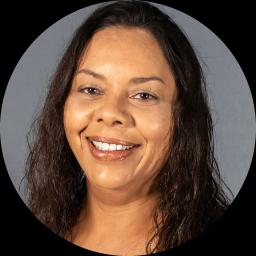
Michelle Evans
LPC, LMHC
Practical, person-centered therapy for anger and stress
Opens BetterHelp in a new tab, where you can review online therapy options.
About Michelle
She trained with a Master of Arts in Counseling and has worked in a range of settings including foster care, residential programs, independent living homes, and substance use treatment. That breadth of experience shapes how she tailors support to each person’s situation. She also has experience working with adults and children in different treatment contexts.
Michelle draws from several therapy approaches to fit each person’s needs. She uses client-centered work to follow what matters most to the client, cognitive behavioral techniques to challenge unhelpful thinking, and dialectical behavior strategies for emotion regulation and coping. Motivational interviewing is used when people want help finding internal motivation to change.
Her sessions focus on practical skills, steady support, and making plans you can use outside the room. She pays attention to attachment and relationship patterns, communication and control issues, and common struggles like codependency, impulsivity, and caregiver stress. Michelle aims to help people build routines and coping tools that make daily life more manageable.
People interested in coaching-style work or help with ADHD, self-esteem, or substance use will find those areas included in her practice. She asks questions, listens, and works collaboratively to set goals that fit the client’s life and priorities.
Areas of expertise
Also works with
Additional focus areas
Therapeutic approaches
Experience
18+ years
Credentials
Missouri, Washington
Languages
English
How therapy approaches work online
Client-centered therapy focuses on the person’s priorities and moves at their pace. Online sessions using this approach let the therapist follow what matters most and adjust goals as needed. Cognitive Behavioral Therapy, or CBT, looks at thoughts and behaviors and teaches concrete skills to change unhelpful patterns. Online CBT commonly uses thought records, behavioral experiments, and practical homework between sessions. Dialectical Behavior Therapy, or DBT, offers hands-on tools for managing intense emotions and improving relationships. In a DBT-informed online format, clients can learn specific skills like distress tolerance and emotion regulation and practice them between meetings.Finding the right approach is part of the work. The therapist will talk with the client about goals, preferences, and what has or has not worked in the past. Together they decide whether client-centered work, CBT, DBT, or a mix will fit best and then adjust the plan as progress is made.
Session formats are not specified in the biography, so confirm current session options before booking. Online therapy can make it easier to fit appointments into a busy life, reduce travel time, and let people use shorter check-ins when needed. It can also help maintain continuity of care when schedules or locations change, while the therapist and client focus on practical skills and problem solving that transfer into daily routines.
At a glance
- Listed location
- Missouri
- Experience
- 18+ years
- Credentials
- LPC, LMHC
- Languages
- English
- License (Missouri)
- LPC · No. 2011002383
- License (Washington)
- LMHC · No. LH61604240
- NPI
- 1942509591
As listed by the therapist. You can check a license with the state board and an NPI with the national registry.
Frequently asked questions
What kinds of problems does Michelle address?
She supports people facing stress, anxiety, trauma and abuse, anger, addictions, ADHD, and life changes. Additional focuses include attachment concerns, codependency, communication problems, and caregiver stress.
How would you describe her therapy style?
Her style is practical and client-centered. She listens first, then uses techniques that fit the person’s needs and goals.
What is her clinical background?
Michelle has 18 years of experience and a Master of Arts in Counseling. She has worked in foster care, residential programs, independent living homes, and substance use treatment settings.
What credentials and region are listed?
She holds the credentials LPC and LMHC and practices in Missouri with licensure noted as MO LPC and WA LMHC.
Which languages are supported?
Sessions are offered in English only.
Are international clients accepted?
International clients are not currently accepted.
How are fees and billing handled?
Cost varies with location and therapist availability, and sessions use a subscription that can be canceled at any time.
What are the steps to begin therapy?
To start, select the Start Therapy button, complete a short matching questionnaire, and schedule sessions according to the therapist’s availability.
Before you start
- Online talk therapy is not a court-ordered or mandated anger-management course, and it does not provide attendance certificates.
- Check that the location and license details above fit where you live.
- If anyone is at risk of being harmed, contact emergency services or a domestic-abuse helpline first. See the support lines for the US, UK and Australia.