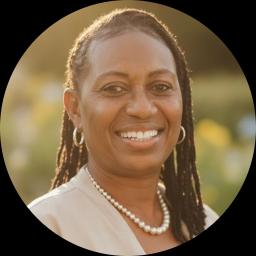
Dr. Michelle Burns
LPC
Calm, practical help for strong emotions
Opens BetterHelp in a new tab, where you can review online therapy options.
- Focused on relationships
- Skill-based strategies
- Short-term goal setting
About Michelle
Her approach is direct and practical. She creates a calm, nonjudgmental space where people can talk through hard feelings and figure out next steps. Sessions focus on concrete skills as well as understanding patterns that keep problems repeating.
Michelle uses methods drawn from Cognitive Behavioral Therapy and Dialectical Behavior Therapy to help with strong emotions, anxious thinking, and relationship strain. She also uses Solution-Focused Therapy to set short-term goals and track progress. These methods are described and chosen with each person’s needs in mind.
Over her career she has helped people with grief, trauma and abuse, depression, self-esteem, eating and sleeping concerns, career stress, and life transitions. Additional areas of focus include aging and geriatric issues, cancer-related concerns, divorce and separation, and women’s issues. She also supports people dealing with compassion fatigue and ADHD-related challenges.
People working with Michelle can expect straightforward conversation and skill-based practice. Her goal is to help clients feel more in control of their emotions and relationships. To start, a short matching questionnaire helps connect someone to her practice and schedule sessions.
Areas of expertise
Primary focus
Also works with
Additional focus areas
Therapeutic approaches
Experience
20+ years
Credentials
Georgia, South Carolina
Languages
English
How her approaches guide online work
Dr. Burns commonly uses Cognitive Behavioral Therapy to help people notice and change unhelpful thinking and behavior patterns. CBT is practical and problem-focused, and it often helps with anxiety, depression, and stress-related problems.She also applies Dialectical Behavior Therapy techniques to teach emotion regulation, distress tolerance, and better communication during intense moments. DBT tools can be useful for managing anger and strong emotional reactions.
Finding the right approach is part of the work. She collaborates with each person to pick methods that match their needs, goals, and comfort. The plan can change over time as progress is made and priorities shift.
Confirm the available session formats before booking, as specific online options are not listed here. Online work can make it easier to fit sessions into a busy life - for example by reducing travel time, allowing shorter check-ins, or making it simpler to schedule around work or caregiving. Licensed professionals can adapt CBT, DBT, and solution-focused tools to remote sessions so clients continue skill practice and goal tracking between meetings.
At a glance
- Listed location
- South Carolina
- Experience
- 20+ years
- Credentials
- LPC
- Languages
- English
- License (Georgia)
- LPC · No. LPC013642
- License (South Carolina)
- LPC · No. 8902
- NPI
- 1487349064
As listed by the therapist. You can check a license with the state board and an NPI with the national registry.
Frequently asked questions
What concerns does she commonly address?
She helps people with relationship strain, parenting challenges, anger management, stress, anxiety, trauma and abuse, grief, depression, and related life changes.
How would you describe her therapy style?
Her style is straightforward and practical, with a calm, nonjudgmental tone. Sessions mix talking with skill practice and problem-solving.
What is her professional background?
She holds a Licensed Professional Counselor credential and brings 20 years of professional experience in clinical settings.
Where is she licensed and based?
She holds LPC credentials in South Carolina and Georgia and practices out of South Carolina.
Which languages are supported in sessions?
Sessions are offered in English.
Can people outside the United States work with her?
She does not accept international clients at this time.
How does cost and billing work?
Cost varies with location and therapist availability; sessions use a subscription that can be canceled at any time.
What are the first steps to begin therapy?
Use the Start Therapy button, complete a short matching questionnaire, and then schedule sessions according to therapist availability.
Before you start
- Online talk therapy is not a court-ordered or mandated anger-management course, and it does not provide attendance certificates.
- Check that the location and license details above fit where you live.
- If anyone is at risk of being harmed, contact emergency services or a domestic-abuse helpline first. See the support lines for the US, UK and Australia.