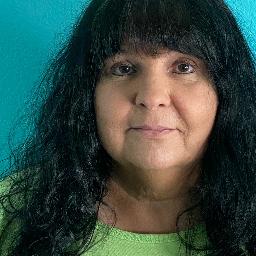
Michele Rockett
LCSW
Therapist focused on practical emotion skills
Opens BetterHelp in a new tab, where you can review online therapy options.
- Client-centered care
- CBT techniques
- Mindfulness practice
About Michele
Areas of expertise
Primary focus
Also works with
Additional focus areas
Therapeutic approaches
Experience
16+ years
Credentials
Hawaii
Languages
English
How Michele’s Approaches Translate to Online Sessions
Michele uses client-centered therapy and cognitive behavioral therapy in ways that fit well with online work. Client-centered therapy focuses on listening closely and shaping sessions around what the client most needs, which helps build trust and direction even when meeting remotely. Cognitive behavioral therapy looks at the links between thoughts, feelings, and behaviors and teaches specific skills to change unhelpful patterns, useful for issues like anger, anxiety, and mood problems.She also uses mindfulness techniques to teach simple grounding and breathing practices that people can use between sessions. Together, these approaches aim to give practical tools for emotion regulation, communication, and problem-solving. Finding the right approach is part of the process; Michele will collaborate with each person to determine which methods match their goals, preferences, and day-to-day realities.
Session logistics should be confirmed before booking since the biography did not list formats. Online work can make it easier to fit therapy into a busy week, reduce travel time, and allow shorter check-ins when needed. Many people find remote sessions help them practice skills in real-life settings and follow through on homework between meetings.
At a glance
- Listed location
- Hawaii
- Experience
- 16+ years
- Credentials
- LCSW
- Languages
- English
- License (Hawaii)
- LCSW · No. LCSW-4141
- NPI
- 1184258428
As listed by the therapist. You can check a license with the state board and an NPI with the national registry.
Frequently asked questions
What concerns does Michele address?
She works with people facing stress, anxiety, anger, depression, grief, relationship and family issues, self-esteem problems, trauma and abuse, sleep and eating difficulties, career changes, and caregiving strain.
What is her approach in sessions?
Her style is warm and interactive, focusing on teaching concrete tools and strategies using client-centered listening, cognitive-behavioral techniques, mindfulness, motivational interviewing, and solution-focused ideas.
How much clinical experience does she have?
She has 16 years of experience working with people across a wide range of concerns and life stages.
What credentials and location apply to this therapist?
She is a licensed clinical social worker, LCSW, practicing in Hawaii.
Can I work with her if I live outside the United States?
Sessions are offered in English and international clients are not currently accepted.
Which session formats are available?
Session formats were not specified in the biography; please confirm current session options before booking.
How much do sessions cost?
Cost varies with location and therapist availability, and sessions use a subscription that can be canceled at any time.
What are the first steps to get started?
Click the Start Therapy button, complete a short matching questionnaire, and schedule according to therapist availability.
Before you start
- Online talk therapy is not a court-ordered or mandated anger-management course, and it does not provide attendance certificates.
- Check that the location and license details above fit where you live.
- If anyone is at risk of being harmed, contact emergency services or a domestic-abuse helpline first. See the support lines for the US, UK and Australia.