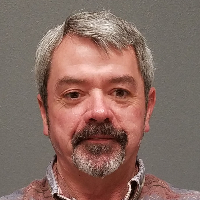
Michael Witham
LPC
Practical counseling for strong emotions
Opens BetterHelp in a new tab, where you can review online therapy options.
- Client-centered care
- Skills for impulse control
- Goal focused work
About Michael
He started practicing in 2002 and became licensed in Wyoming in 2012. His background includes crisis response, initial diagnostic assessment, and treatment planning. He has led both individual and group therapy focused on depression, anxiety, and anger-related concerns.
In sessions he focuses on identifying specific behaviors a person wants to change. He then works with them to build skills for managing intense feelings and handling complicated stressors. Sessions often include strategies for decision-making and organization to support daily life.
He has experience addressing chronic pain and managing severe psychotic symptoms alongside other concerns. He also supports people dealing with grief, addiction, sleep problems, and parenting stress. His practice includes attention to co-occurring issues and complex life transitions.
Michael aims to set clear, measurable goals with each person and to strengthen existing abilities. He uses an empathetic, collaborative style that encourages self-reliance and confidence. People who want practical tools for anger, stress, or mood concerns may find his approach straightforward and goal oriented.
Areas of expertise
Primary focus
Also works with
Additional focus areas
Therapeutic approaches
Experience
26+ years
Credentials
Wyoming
Languages
English
How his approaches translate to online therapy
Client-Centered Therapy focuses on listening and understanding where a person is starting. The therapist follows the client's goals and builds rapport so the person feels heard and respected. This approach helps when someone needs validation and guidance for real-life choices.Cognitive Behavioral Therapy, or CBT, teaches practical skills to change unhelpful thoughts and behaviors. Sessions often include step-by-step tools for managing anger, anxiety, or depression and for improving decision-making and organization.
Dialectical Behavior Therapy, DBT, emphasizes skills for emotion regulation and distress tolerance. It can be useful for impulse control, strong mood swings, and learning how to respond differently under stress.
Finding the right approach is a team effort. The therapist will discuss your goals and preferences and try methods that match your needs. If something does not fit, he will adjust the plan with you so the work stays focused and useful.
Confirm the current session formats before booking since specific delivery options are not listed here. Online sessions can make it easier to fit therapy into a busy schedule, shorten travel time, and allow for flexible check-ins between in-person commitments. Talk with the therapist about what setup best fits your day-to-day routine and goals.
At a glance
- Listed location
- Wyoming
- Experience
- 26+ years
- Credentials
- LPC
- Languages
- English
- License (Wyoming)
- LPC · No. LPC-1863
- NPI
- 1720652431
As listed by the therapist. You can check a license with the state board and an NPI with the national registry.
Frequently asked questions
What kinds of problems does this therapist help with?
He works with stress, anxiety, anger, depression, trauma and abuse, ADHD, addictions, grief, sleep and eating difficulties, parenting concerns, and coping with life changes.
What is his therapeutic style like?
He combines client-centered listening with cognitive behavioral methods. That means he listens closely, then helps people learn practical skills to change behaviors and manage emotions.
How much clinical experience does he have?
He has practiced since 2002 and holds 26 years of experience, with a Wyoming license obtained in 2012 and long experience in crisis response and group work.
Where is he licensed and based?
He is a Licensed Professional Counselor with a Wyoming LPC credential and practices out of Wyoming.
Which languages are supported for sessions?
Sessions are offered in English.
Can international clients work with this therapist?
International clients are accepted according to the documented practice information.
How are costs handled for sessions?
Cost varies with location and therapist availability; sessions use a subscription that can be canceled at any time.
What do I do to begin working with him?
Select the Start Therapy button, complete a short matching questionnaire, and schedule sessions according to therapist availability.
Before you start
- Online talk therapy is not a court-ordered or mandated anger-management course, and it does not provide attendance certificates.
- Check that the location and license details above fit where you live.
- If anyone is at risk of being harmed, contact emergency services or a domestic-abuse helpline first. See the support lines for the US, UK and Australia.