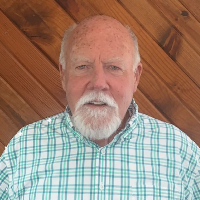
Dr. Michael Cundiff
LPC
Experienced counselor focused on practical change
Opens BetterHelp in a new tab, where you can review online therapy options.
- Client-centered approach
- 45 years experience
- Helps with anger
About Michael
He offers 45-minute sessions by default, though he can adjust length when needed. He checks messages several times a day and encourages questions before or between meetings. He aims to move at each person's pace and to match therapy to practical life needs.
In sessions he follows a client-centered style that focuses on the therapeutic relationship. That means conversations start with where the client is and then move toward clear goals. He also integrates cognitive behavioral ideas to address unhelpful thoughts and behaviors.
Mindfulness practices and motivational interviewing are used when they fit a person's goals, such as improving stress management or shifting patterns around addictions or self-esteem. Narrative techniques are available to help people reframe difficult stories from their past.
Dr. Cundiff works with a wide range of concerns, including stress, anxiety, depression, relationship and family issues, parenting challenges, grief, trauma and anger. He also supports people facing career changes, compassion fatigue, ADHD, and other focused problems like abandonment or caregiver stress. He invites questions and plans sessions around what each person needs.
Areas of expertise
Primary focus
Also works with
Additional focus areas
Therapeutic approaches
Experience
45+ years
Credentials
Missouri
Languages
English
Approaches that guide online sessions
Dr. Cundiff uses a client-centered approach that emphasizes the therapeutic relationship and collaborative goal-setting. This approach focuses on understanding the person's experience and then working together on practical next steps.He also uses Cognitive Behavioral Therapy, which looks at thoughts and behaviors and teaches concrete skills to change patterns that contribute to anxiety, anger, or low mood. Mindfulness techniques are offered to help people notice reactions and build steadier attention during stress or cravings.
Finding the right approach is treated as a joint process. He will listen to each person's goals and preferences, try techniques that fit, and adjust over time based on what helps. The emphasis is on collaboration rather than on a fixed method.
Session logistics should be confirmed before booking, since specific online formats are not listed here. Online work can make it easier to fit therapy into a busy week, shorten commute time, allow quick check-ins between obligations, and offer options when someone prefers not to be on camera. Ask about session length if forty-five minutes does not match your schedule.
At a glance
- Listed location
- Missouri
- Experience
- 45+ years
- Credentials
- LPC
- Languages
- English
- License (Missouri)
- LPC · No. 000290
- NPI
- 1699747907
As listed by the therapist. You can check a license with the state board and an NPI with the national registry.
Frequently asked questions
What concerns does Dr. Cundiff address?
He works with many issues including stress, anxiety, depression, anger, relationship and family problems, parenting, addictions, grief, trauma, self-esteem, and career or life changes.
How would you describe his therapy style?
His style is client-centered and relationship based, with collaboration on goals and strategies. He also draws on cognitive behavioral, mindfulness, motivational interviewing, and narrative ideas as useful.
What is his background and experience?
He holds an LPC credential and brings 45 years of counseling experience to his work.
Where is he licensed and practicing?
He is an LPC in Missouri and lists Missouri as his practice location.
Which languages are supported for sessions?
Sessions are offered in English.
Can people outside the United States work with him?
International clients are not currently accepted.
How are sessions structured and paid for?
Forty-five minute sessions are his usual length, though he can be flexible. Costs vary with location and use a subscription that can be canceled at any time.
How do I begin working with him?
Choose the Start Therapy button, complete the short matching questionnaire, and then schedule according to the therapist's availability.
Before you start
- Online talk therapy is not a court-ordered or mandated anger-management course, and it does not provide attendance certificates.
- Check that the location and license details above fit where you live.
- If anyone is at risk of being harmed, contact emergency services or a domestic-abuse helpline first. See the support lines for the US, UK and Australia.