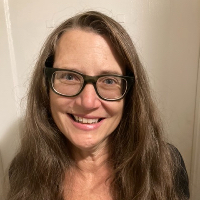
May Kirby
LPC
Practical therapy focused on emotional change
Opens BetterHelp in a new tab, where you can review online therapy options.
- Collaborative relationship
- Practical coping skills
- Values-based work
About May
She has ten years of experience, including work in intensive outpatient mental health settings. That background shaped her focus on problems such as stress, anxiety, depression, anger, trauma and abuse, and addiction. She also helps people dealing with relationship difficulties, grief, self-esteem concerns, sleep and eating issues, and career or life-purpose questions.
Her approach mixes evidence-informed methods. She uses Cognitive Behavioral Therapy to help people notice unhelpful thinking and try new behaviors. She brings Acceptance and Commitment Therapy to support values-based change and to practice acceptance of difficult feelings. Attachment-based ideas guide work on relationship patterns and intimacy-related concerns.
Sessions are collaborative and paced to each person’s needs. Clients can expect clear goals, practical strategies for day-to-day coping, and attention to how past experiences shape current problems. May listens closely and helps people find small steps that add up to progress.
She works in English and accepts international clients. To begin, interested people select the Start Therapy button, complete a short matching questionnaire, and schedule according to therapist availability.
Areas of expertise
Primary focus
Also works with
Additional focus areas
Therapeutic approaches
Experience
10+ years
Credentials
South Carolina
Languages
English
Therapeutic approaches for online work
Acceptance and Commitment Therapy (ACT) encourages noticing thoughts and feelings without getting stuck and clarifying personal values to guide action; it can help with anxiety, depression, and anger by shifting how people respond to hard feelings. Cognitive Behavioral Therapy (CBT) focuses on identifying unhelpful thoughts and testing different behaviors to reduce symptoms and improve daily functioning; it is often used for anxiety, panic, mood concerns, and compulsive patterns. Attachment-Based Therapy looks at how early relationships shape current patterns and aims to change how people relate in close connections, which can be useful for intimacy and communication problems.Finding the right approach is part of the work. The therapist collaborates with each person to choose methods that fit their goals, preferences, and life context. That may mean trying a mixture of approaches and adjusting over time based on what helps most.
The biography does not specify session formats here, so please confirm the current online options before booking. Online sessions can make it easier to fit therapy into a busy schedule, reduce travel time, and allow check-ins from different locations. They also make it possible to continue work with a therapist across regions, which is helpful for people who move or travel frequently.
At a glance
- Listed location
- South Carolina
- Experience
- 10+ years
- Credentials
- LPC
- Languages
- English
- License (South Carolina)
- LPC · No. 6507
- NPI
- 1386903680
As listed by the therapist. You can check a license with the state board and an NPI with the national registry.
Frequently asked questions
What concerns does this therapist address?
May helps with a wide range of issues including stress, anxiety, depression, anger, trauma and abuse, addictions, relationship and intimacy problems, grief, self-esteem, sleep and eating concerns, career questions, and ADHD related challenges.
What is the general style of therapy?
The style is collaborative and person-centered, focusing on building a strong working relationship and using practical strategies to manage emotions and behavior.
What experience does the therapist bring?
May has ten years of clinical experience, including work in intensive outpatient mental health settings that informed her approach to complex and acute concerns.
Where is the therapist licensed and based?
She holds an LPC credential and is based in South Carolina.
Which languages are available for sessions?
Sessions are offered in English and international clients are accepted.
What session formats are offered?
The original biography does not list specific session formats; please confirm current session options before booking.
How are fees handled?
Cost varies with location and therapist availability; sessions use a subscription model that can be canceled at any time.
How do I begin working with this therapist?
Start by selecting the Start Therapy button, complete a short matching questionnaire, and schedule sessions according to therapist availability.
Before you start
- Online talk therapy is not a court-ordered or mandated anger-management course, and it does not provide attendance certificates.
- Check that the location and license details above fit where you live.
- If anyone is at risk of being harmed, contact emergency services or a domestic-abuse helpline first. See the support lines for the US, UK and Australia.