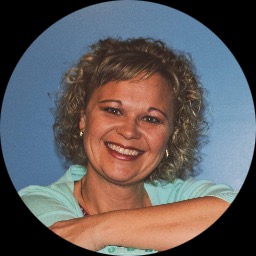
Mary Calvin
LPC, LCMHC
Practical, steady support for anger and stress
Opens BetterHelp in a new tab, where you can review online therapy options.
- Calm straightforward help
- Tools for daily life
- Collaborative sessions
About Mary
Mary holds a Licensed Professional Counselor credential and a Licensed Clinical Mental Health Counselor credential. She brings nine years of experience working with a range of concerns from substance issues to relationship conflict. She focuses on helping people name what they are feeling, notice patterns that get in the way, and try simple tools to change those patterns.
In sessions she aims to create an open space where thoughts and feelings can be spoken about honestly. Conversations are guided by what matters most to the client and what they want to change. Expect active listening, gentle challenges, and homework that connects therapy to everyday life.
Mary blends practical techniques from cognitive behavioral work with acceptance and mindfulness strategies. She also draws on motivational interviewing to help people find personal reasons to change. That mix is used flexibly based on each person's goals and pace.
Her approach is collaborative and goal-focused. Clients are invited to set clear, achievable steps and to track progress over time. For someone who wants steady, compassionate support for anger or related concerns, she provides hands-on tools and steady encouragement.
Areas of expertise
Primary focus
Additional focus areas
Therapeutic approaches
Experience
9+ years
Credentials
Missouri, Alabama, Utah
Languages
English
How therapy approaches translate to online work
Acceptance and Commitment Therapy, or ACT, helps people notice painful thoughts without getting stuck in them and to choose values-based actions. It can be useful for anxiety, anger, and patterns that keep repeating. Cognitive Behavioral Therapy, or CBT, focuses on spotting unhelpful thoughts and testing them with small behavioral experiments to change feelings and actions. It often helps with stress, anxiety, and impulse control. Client-Centered Therapy emphasizes a respectful, nonjudgmental relationship where the therapist listens and reflects so clients can find their own answers.Finding the right approach is part of the process. The therapist will work with each person to figure out which methods fit their goals and preferences, and may combine elements from different approaches as progress unfolds. That decision is collaborative and revisited as needed.
The original biography does not list specific session formats, so confirm current online options before booking. Online work can make it easier to fit therapy into a busy schedule, allow shorter check-ins when needed, and reduce travel time. For many people, virtual sessions still allow hands-on practice of techniques like breathing, thought records, and small behavioral experiments that transfer to daily life. Licensed professionals tailor their methods to what a client wants to accomplish and how therapy can fit into everyday routines.
At a glance
- Listed location
- Missouri
- Experience
- 9+ years
- Credentials
- LPC, LCMHC
- Languages
- English
- License (Missouri)
- LPC · No. 2017044750
- License (Alabama)
- LPC · No. LPC05587
- License (Utah)
- LCMHC · No. 14212274-6004
- NPI
- 1790293439
As listed by the therapist. You can check a license with the state board and an NPI with the national registry.
Frequently asked questions
What kinds of problems does Mary address?
She helps people with stress, anxiety, addictions, relationship issues, trauma and abuse, and anger along with related concerns such as communication problems and impulsivity.
What is her general therapy style?
Her style is warm and nonjudgmental with active listening, practical steps, and occasional homework to connect what happens in sessions to daily life.
How much clinical experience does she have?
Mary has nine years of professional experience working with a range of concerns including substance issues and relationship conflict.
What credentials and location apply to this therapist?
She holds LPC and LCMHC credentials and is licensed in Missouri.
Can I work with her if I live outside the United States?
She accepts international clients and provides services in English.
Which session formats are used?
The original biography does not list specific session formats, so confirm current session options before booking.
How does payment or cost work?
Cost varies with location and therapist availability; sessions are delivered through a subscription that can be canceled at any time.
How do I begin therapy with Mary?
Choose the Start Therapy button, complete a short matching questionnaire, and schedule according to therapist availability.
Before you start
- Online talk therapy is not a court-ordered or mandated anger-management course, and it does not provide attendance certificates.
- Check that the location and license details above fit where you live.
- If anyone is at risk of being harmed, contact emergency services or a domestic-abuse helpline first. See the support lines for the US, UK and Australia.