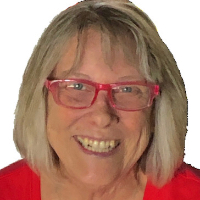
Mary Allen
LCSW
Calm, practical therapy for everyday struggles
Opens BetterHelp in a new tab, where you can review online therapy options.
- Goal focused
- Warm and direct
- Practical tools
About Mary
Mary draws on approaches that help people notice how their past and present connect. She uses attachment-informed ideas to look at patterns in relationships and client-centered listening to follow each person’s priorities. Cognitive-behavioral techniques are used to identify thoughts and behaviors that keep problems going and to test new ways of responding.
In sessions she works collaboratively to set realistic goals and practical steps. That might mean learning tools to calm sudden anger, changing unhelpful thinking, or practicing new ways of talking with a partner. She keeps meetings interactive so people can try things in the moment and adjust them as needed.
Mary has provided clinical care for a wide range of concerns including trauma and abuse, parenting stresses, ADHD, compassion fatigue, career upset, and issues related to identity. Her background includes long-term practice in Wisconsin and licensing across multiple states, which informs a broad perspective on life transitions and caregiving stress.
She invites people to name small, measurable goals and to reassess progress together. The work is pragmatic, paced to what each person can manage, and aimed at building skills that fit everyday life.
Areas of expertise
Primary focus
Also works with
Additional focus areas
Therapeutic approaches
Experience
31+ years
Credentials
California, North Dakota, Wisconsin, Nevada
Languages
English
How her approaches translate to online care
Mary uses Attachment-Based ideas to look at how early and current relationships shape reactions now; this helps when anger or intimacy issues come up. Attachment work focuses on patterns people repeat and how to try different ways of relating that feel safer and more effective.She also draws on Cognitive Behavioral Therapy, which targets the link between thoughts, feelings, and actions. CBT helps people spot unhelpful thoughts that fuel anger or anxiety and practice practical behavior changes to reduce distress.
Finding the right approach is part of the process. Mary works collaboratively to pick methods that match a person’s needs, goals, and comfort. Together they try options and adjust the plan as progress and life demands evolve.
If you are considering online sessions, confirm the specific session formats available before booking. Online work can make it easier to fit therapy into a busy week, reduce travel time, and allow for shorter check-ins when needed. It can also let people join from a calmer location or avoid commuting on a work break. Licensed professionals adapt their tools to the setting so skills practiced online transfer to everyday situations.
At a glance
- Listed location
- Wisconsin
- Experience
- 31+ years
- Credentials
- LCSW
- Languages
- English
- License (California)
- LCSW · No. 29109
- License (North Dakota)
- LCSW · No. 6242
- License (Wisconsin)
- LCSW · No. 8198-123
- License (Nevada)
- LCSW · No. 10384-C
- NPI
- 1659500882
As listed by the therapist. You can check a license with the state board and an NPI with the national registry.
Frequently asked questions
What kinds of problems does this therapist help with?
Mary provides care for stress, anxiety, depression, anger, grief, relationship concerns, parenting strain, trauma and related issues listed in her specialties.
What is the overall therapy style I can expect?
Her approach is direct, warm, and interactive. Sessions are goal oriented and focus on practical steps you can apply between meetings.
How much clinical experience does she have?
Mary has 31 years of clinical experience working across a wide range of concerns and settings.
What are her credentials and where is she based?
She is a Licensed Clinical Social Worker - LCSW - and practices from Wisconsin as noted in her profile details.
In which languages are sessions offered?
Sessions are offered in English.
Does she work with clients outside the United States?
International clients are not currently accepted.
How does cost and billing work for sessions?
Cost varies with location and therapist availability; sessions use a subscription that can be canceled at any time.
What do I do to begin therapy with her?
Start by selecting the Start Therapy button, complete a short matching questionnaire, and then schedule based on the therapist's availability.
Before you start
- Online talk therapy is not a court-ordered or mandated anger-management course, and it does not provide attendance certificates.
- Check that the location and license details above fit where you live.
- If anyone is at risk of being harmed, contact emergency services or a domestic-abuse helpline first. See the support lines for the US, UK and Australia.