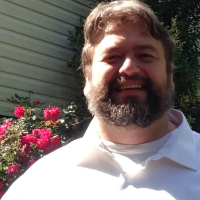
Mark Mazzoni
LPC
Compassionate goal-focused counseling
Opens BetterHelp in a new tab, where you can review online therapy options.
- Collaborative planning
- Homework driven
- Practical steps
About Mark
Mark takes a collaborative approach. He works with clients to identify the problem, then breaks progress into small, achievable steps. Homework and short therapeutic tasks are often part of the plan to keep momentum between sessions. He asks for honesty about how things are really going so adjustments can be made quickly.
He uses elements of Cognitive Behavioral Therapy (CBT) and Client-Centered techniques, along with ideas from Existential therapy and, when requested, spiritual-based support for Christian clients. These methods are woven into practical steps aimed at everyday problems like sleep trouble, parenting strain, work stress, low self-esteem, and relationship difficulties.
Mark has experience helping people facing substance use challenges, trauma and abuse, bipolar and depressive disorders, OCD and panic, and chronic pain or illness. He also works with issues such as career direction, life transitions, and forgiveness. His background includes work across age groups and in varied clinical settings over two decades.
Sessions focus on realistic goals and steady progress. Mark emphasizes encouragement, nonjudgmental listening, and genuine engagement as he helps clients move forward one step at a time.
Areas of expertise
Primary focus
Also works with
Additional focus areas
Therapeutic approaches
Experience
20+ years
Credentials
Georgia
Languages
English
How these approaches shape online therapy
Client-Centered Therapy focuses on listening closely and responding to what matters most to the client. The therapist follows the client's lead, reflects observations, and builds a plan together to address concerns like low self-esteem, relationship stress, or life changes.Cognitive Behavioral Therapy (CBT) breaks problems into patterns of thoughts and behaviors. It uses practical exercises and homework to test new ways of thinking and acting, which can help with anxiety, panic, anger, and mood symptoms.
Existential Therapy looks at meaning, values, and choices. It can help people facing big life questions, career changes, or a sense of purposelessness by clarifying what matters and shaping realistic goals.
Finding the right approach is part of the work. The therapist will collaborate with each client to determine which methods fit their needs and preferences. That choice can be adjusted over time as goals change or new challenges arise.
Online therapy can make it easier to fit sessions into a busy life. It can cut commute time, allow quicker check-ins during a break, and let people continue care when travel or work schedules change. Confirm the current session options before booking, since this profile does not list specific formats. The focus is on practical access and matching therapy to the client's daily routine rather than promising a particular delivery method.
At a glance
- Listed location
- Georgia
- Experience
- 20+ years
- Credentials
- LPC
- Languages
- English
- License (Georgia)
- LPC · No. LPC006728
- NPI
- 1891061867
As listed by the therapist. You can check a license with the state board and an NPI with the national registry.
Frequently asked questions
What concerns does Mark help with?
He works with a wide range of issues including stress, anxiety, anger, addictions, bipolar and depressive disorders, trauma and abuse, sleep problems, parenting stress, ADHD, and relationship concerns.
What is his therapeutic style like?
His approach is collaborative and goal-oriented. He uses clear steps, assigns homework, and may give short therapeutic tasks to help clients make steady progress.
What is his background and experience?
He has twenty years of experience in mental health work and has supported people in varied settings, including those with severe mental illness and substance use disorders.
What credentials and location are listed?
He is a Licensed Professional Counselor, LPC, licensed in Georgia and practices in that state.
Which languages and international clients are supported?
Sessions are offered in English. He is not accepting international clients at this time.
What session formats are offered?
Confirm current session options before booking, as the biography does not list specific session formats.
How does billing or cost work?
Cost varies with location and therapist arrangements; sessions use a subscription that can be canceled at any time.
How do I begin working with him?
Use the Start Therapy button, complete a short matching questionnaire, and schedule according to the therapist's availability.
Before you start
- Online talk therapy is not a court-ordered or mandated anger-management course, and it does not provide attendance certificates.
- Check that the location and license details above fit where you live.
- If anyone is at risk of being harmed, contact emergency services or a domestic-abuse helpline first. See the support lines for the US, UK and Australia.