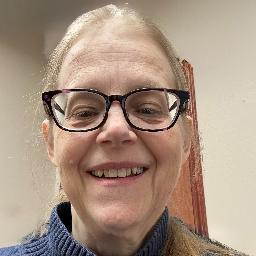
Lynn MacDonald
LPC
Calm, practical support for strong emotions
Opens BetterHelp in a new tab, where you can review online therapy options.
- 13 years experience
- Michigan LPC
- Focus on anger
About Lynn
Areas of expertise
Primary focus
Also works with
Additional focus areas
Therapeutic approaches
Experience
13+ years
Credentials
Michigan
Languages
English
Approaches you might use in online sessions
Attachment-based work looks at how early relationships affect how people connect and respond now. It helps when relationship patterns, trust, or intense reactions like anger keep showing up. Client-centered therapy focuses on a respectful, accepting conversation where the person leads the pace. This approach suits people who need space to talk through feelings and find their own solutions. Cognitive Behavioral Therapy, or CBT, helps identify unhelpful thoughts and habits and replace them with more useful ones. It is commonly used for anxiety, depression, anger, and stress because it offers concrete skills to practice between sessions. Finding the right approach is part of the work together. The therapist will talk with each person about goals, preferences, and what feels most useful. Decisions about methods are collaborative and may shift as progress happens. Confirm available session options before booking, since the biography does not list specific formats. Online therapy can make it easier to fit sessions into busy days, reduce travel time, and allow shorter check-ins when needed. It can also let people choose a quieter time or avoid camera use if that helps them focus. Licensed professionals find that many approaches translate well to online sessions when they match the client's needs.At a glance
- Listed location
- Michigan
- Experience
- 13+ years
- Credentials
- LPC
- Languages
- English
- License (Michigan)
- LPC · No. 6401014776
- NPI
- 1588857338
As listed by the therapist. You can check a license with the state board and an NPI with the national registry.
Frequently asked questions
What concerns does Lynn often help with?
She helps people dealing with stress, anxiety, depression, anger, grief, and relationship or family conflicts. She also supports those working through trauma, parenting strain, identity questions, and career or life changes.
What is her therapeutic style like?
Lynn combines clear, practical guidance with a warm, nonjudgmental stance. Sessions focus on concrete steps to manage feelings and improve daily routines while addressing underlying patterns.
How much experience does she have?
She has 13 years of professional experience as a therapist working with a wide range of concerns and providing resources to help clients outside sessions.
What credentials and region are listed?
She holds the LPC credential, listed as MI LPC, and practices in Michigan.
Are sessions offered in other languages or internationally?
Sessions are offered in English. International clients are not currently accepted.
What session formats are available?
Please confirm current session options before booking, as the biography does not specify which formats are offered.
How much do sessions cost?
Cost varies with location and therapist availability; sessions use a subscription that can be canceled at any time.
How do I begin working with Lynn?
Select the Start Therapy button, complete the short matching questionnaire, and schedule according to therapist availability.
Before you start
- Online talk therapy is not a court-ordered or mandated anger-management course, and it does not provide attendance certificates.
- Check that the location and license details above fit where you live.
- If anyone is at risk of being harmed, contact emergency services or a domestic-abuse helpline first. See the support lines for the US, UK and Australia.