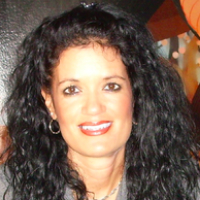
Lucie Knapp
LCSW
Supportive LCSW for anger and life changes
Opens BetterHelp in a new tab, where you can review online therapy options.
- Practical action plans
- Client centered care
- Mindfulness and skills
About Lucie
Lucie blends client-centered care with practical tools from cognitive behavioral therapy and acceptance and commitment therapy. She also draws on dialectical behavior therapy skills and mindfulness work when it helps. Her approach often includes coaching-style planning so clients leave a session with clear, doable next steps.
Her background includes long experience in behavioral approaches to eating and weight challenges, looking at the relationship with food rather than only the food itself. Over two decades in the field taught her to spot how anxiety, grief, relationship strain, or stress can drive behaviors such as overeating or withdrawal. She uses questions and focused exercises to help people identify root triggers and workable alternatives.
In sessions she keeps the tone warm and interactive and can introduce role-based techniques when useful. The goal is to build insight and then translate that insight into everyday changes people can try. Lucie emphasizes collaboration, respect, and steady support as someone makes changes.
She has worked in clinical and program settings and then moved into private practice. If someone is ready to make a change, she focuses on helping them set realistic goals and follow through with concrete steps.
Areas of expertise
Primary focus
Also works with
Additional focus areas
Therapeutic approaches
Experience
21+ years
Credentials
North Carolina, New Jersey
Languages
English
Approaches that translate to online work
Acceptance and Commitment Therapy, or ACT, helps people notice unhelpful thoughts and clarify what matters most to them. It uses simple exercises to guide choices that match a person’s values. Cognitive Behavioral Therapy, or CBT, focuses on identifying and changing patterns of thinking and behavior that keep problems going. It is often useful for anxiety, depression, and eating-related struggles. Mindfulness Therapy teaches focused attention and present-moment awareness to reduce reactivity and support calmer responses to anger or stress.Finding the right approach is part of the work. The therapist will talk with each person about goals, past efforts, and preferences. Together they decide which methods to emphasize and adjust the plan as progress unfolds. That collaborative process helps keep sessions practical and personally relevant.
The biography does not list specific online session formats, so confirm current options before booking. Online therapy can make it easier to fit sessions into a busy schedule, reduce travel time, and allow shorter check-ins when needed. It can also let people use skills learned in sessions right away in the contexts where they live and work, making homework and practice more natural.
At a glance
- Listed location
- North Carolina
- Experience
- 21+ years
- Credentials
- LCSW
- Languages
- English
- License (North Carolina)
- LCSW · No. C005996
- License (New Jersey)
- LCSW · No. 44SC06009400
- NPI
- 1730418245
As listed by the therapist. You can check a license with the state board and an NPI with the national registry.
Frequently asked questions
What concerns does Lucie work with?
She helps people with anger, stress, anxiety, grief, eating and body image issues, depression, relationship and intimacy concerns, sleeping problems, parenting strain, and career or life-purpose questions.
How would she describe her therapeutic style?
Her style is warm and interactive. She combines client-centered listening with practical tools and coaching-style planning to create steps clients can try between sessions.
What is her professional background?
She has 21 years of experience, including work in behavioral programs focused on eating and weight maintenance and roles in clinical and program coordination settings before moving into private practice.
What credentials and region are listed?
She is a Licensed Clinical Social Worker with NC LCSW and NJ LCSW credentials and is based in North Carolina.
Which languages are available for sessions?
Sessions are offered in English, and she accepts international clients.
What session formats does she offer?
Session formats were not specified in the biography; please confirm current session options before booking.
How is cost handled?
Cost varies with location and therapist arrangements; sessions use a subscription that can be canceled at any time.
How do I begin working with her?
Use the Start Therapy button, complete a short matching questionnaire, and then schedule according to the therapist's availability.
Before you start
- Online talk therapy is not a court-ordered or mandated anger-management course, and it does not provide attendance certificates.
- Check that the location and license details above fit where you live.
- If anyone is at risk of being harmed, contact emergency services or a domestic-abuse helpline first. See the support lines for the US, UK and Australia.