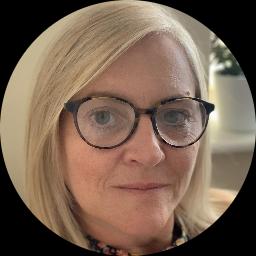
Louise Smith
BACP
Calm, practical counselling for life’s challenges
Opens BetterHelp in a new tab, where you can review online therapy options.
- Client-centred care
- Mindfulness tools
- Solution-focused steps
About Louise
She sees each person as the expert on their own life and builds on existing strengths. Sessions focus on listening, clarifying what matters most and trying small changes that can make daily life easier. Louise uses a calm, encouraging style to help people feel heard and understood.
Louise trained and holds a BACP credential, which stands for the British Association for Counsellors and Psychotherapists. She has three years of professional experience in the United Kingdom. That experience includes supporting people with anger management and with addictive behaviours.
Her approach draws on client-centred talking, mindfulness practices and short-term solution-focused work. These methods are used to reduce overwhelm, improve coping and set realistic goals. The work is practical and tailored to the person’s pace and needs.
To begin, Louise invites people to take a small first step and share what feels most urgent. She focuses on helping people build everyday skills they can use after sessions finish.
Areas of expertise
Primary focus
Also works with
Additional focus areas
Therapeutic approaches
Experience
3+ years
Credentials
United Kingdom
Languages
English
How client-centred, mindfulness and solution-focused work translate online
Client-Centred Therapy places the person’s experience at the heart of the work. The counsellor listens closely, reflects what is said and helps the person find their own answers to difficult situations. This approach is useful when someone needs space to be heard and to make sense of strong feelings.Mindfulness Therapy introduces simple attention and breathing practices to reduce stress and reactivity. It helps with anxiety, anger and rumination by building habits that bring the focus back to the present moment. Exercises are short and can be practised between sessions.
Solution-Focused Therapy concentrates on small, practical steps and on what works now. It helps people set clear goals and try manageable changes that fit everyday life. This can be helpful when someone wants fast ways to reduce overwhelm and regain a sense of control.
Choosing the right approach is part of the work. The counsellor will discuss needs, goals and preferences and will try different ways of working to find the best fit. This is a collaborative process and can change as needs evolve.
Confirm the available session formats before booking so you know how appointments are held. Online therapy can make it easier to fit counselling into a busy week, reduce travel time and allow shorter check-ins when needed. It can also suit people who prefer guided breathing or brief practical tasks between appointments rather than longer in-person sessions.
At a glance
- Listed location
- United Kingdom
- Experience
- 3+ years
- Credentials
- BACP
- Languages
- English
- Registration (United Kingdom)
- BACP · No. 392392
As listed by the therapist. You can check a registration with the body that issued it.
Frequently asked questions
What kinds of problems does this counsellor help with?
Common concerns include stress, anxiety, relationship issues, grief, anger and depression. She also supports people with addictions, self-esteem and coping with life changes.
How would sessions feel and what is the style like?
Sessions are person-focused and practical. Louise listens, reflects back what she hears and helps set small achievable steps between meetings.
What is Louise's background and experience?
Louise has three years of professional counselling experience working in the United Kingdom. Her work has included supporting people with anger management and addictive behaviours.
What credentials does she hold and where is she based?
She is registered with the BACP, the British Association for Counsellors and Psychotherapists, and works in the United Kingdom.
Can I see a therapist in a language other than English?
Sessions are offered in English.
What session formats are available?
Please confirm current session options before booking so you know which formats Louise is offering at the time.
How are sessions paid for?
Costs vary with location and therapist availability; sessions use a subscription model that can be cancelled at any time.
How do I begin working with this counsellor?
Use the Start Therapy button, complete a short matching questionnaire and then schedule according to the therapist's availability.
Before you start
- Online talk therapy is not a court-ordered or mandated anger-management course, and it does not provide attendance certificates.
- Check that the location and registration details above fit where you live.
- If anyone is at risk of being harmed, contact emergency services or a domestic-abuse helpline first. See the support lines for the US, UK and Australia.