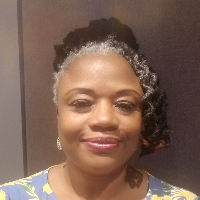
Dr. Lisa Rasheed
LICSW, LCSW
Compassionate clinician focused on practical change
Opens BetterHelp in a new tab, where you can review online therapy options.
- 29 years experience
- Practical skill building
- Client-centered care
About Lisa
She has worked in inpatient and outpatient settings, primary care, specialty medical units, and private practice. That background means she is familiar with a wide range of challenges, from caregiving strain and chronic illness to bereavement and career stress. Clients bring worries about sleep, relationships, parenting, and mood, and she helps them break those problems into manageable pieces.
In sessions she partners with people to clarify goals and try small, concrete changes. She uses Cognitive Behavioral Therapy to spot unhelpful thinking patterns and Mindfulness Therapy to develop present-moment focus. Motivational Interviewing helps when someone feels stuck and Solution-Focused Therapy is used to identify strengths and next steps.
Dr. Rasheed emphasizes building a steady working relationship so that change feels possible rather than overwhelming. She describes her style as compassionate, direct, and sometimes gently humorous when it helps. The work is practical - learning new skills, rehearsing different responses, and tracking what helps.
She holds a Doctor of Social Work in Advanced Clinical Social Work and Supervision and a PhD in Educational Policy Studies. Prospective clients can expect a personalized plan that draws on decades of experience and a focus on usable tools.
Areas of expertise
Also works with
Additional focus areas
Therapeutic approaches
Experience
29+ years
Credentials
Georgia, Alabama, Minnesota, North Carolina, Virginia
Languages
English
How therapeutic approaches translate to online work
Client-Centered Therapy focuses on listening and building a respectful working relationship. In online sessions this means the therapist follows the client’s priorities and helps people shape goals that matter to them. Cognitive Behavioral Therapy (CBT) looks at how thoughts, feelings, and actions link together. Online CBT uses practical exercises and homework to change patterns that fuel anger, anxiety, or low mood.Finding the right approach is part of the work. Dr. Rasheed collaborates with each person to decide which methods fit their needs, goals, and preferences. She will try approaches, check what is helping, and adjust the plan based on feedback and progress.
For practical session logistics, please confirm current options before booking as formats are not specified here. Many people find online therapy helps fit sessions into a busy week, makes attending easier when travel is difficult, and allows shorter check-ins when schedules demand it. Discuss scheduling and session length during the matching process to find a rhythm that works with daily life.
At a glance
- Listed location
- Georgia
- Experience
- 29+ years
- Credentials
- LICSW, LCSW
- Languages
- English
- License (Georgia)
- LCSW · No. CSW002869
- License (Alabama)
- LICSW · No. 4144C
- License (Minnesota)
- LICSW · No. 28960
- License (North Carolina)
- LCSW · No. C014576
- License (Virginia)
- LCSW · No. 0904015936
- NPI
- 1538371687
As listed by the therapist. You can check a license with the state board and an NPI with the national registry.
Frequently asked questions
What concerns does this therapist address?
She helps people with stress, anger, anxiety, depression, grief, addictions, sleep problems, parenting strain, career stress, and related issues.
What is her general approach in therapy?
Her style is collaborative and practical. She partners with clients to set goals and practice small, evidence-informed changes.
What kind of experience does she bring?
She has 29 years of clinical experience across inpatient and outpatient care, primary care settings, specialty medical units, and private practice.
What are her credentials and where is she based?
She holds LICSW and LCSW credentials and practices in Georgia.
Which languages can sessions be conducted in?
Sessions are offered in English.
Can international clients work with this therapist?
International clients are not currently accepted.
How are sessions scheduled and what does cost look like?
Cost varies by location and therapist availability; sessions use a subscription model that can be canceled at any time.
How do I begin working with her?
Click the Start Therapy button, complete a short matching questionnaire, and then schedule according to therapist availability.
Before you start
- Online talk therapy is not a court-ordered or mandated anger-management course, and it does not provide attendance certificates.
- Check that the location and license details above fit where you live.
- If anyone is at risk of being harmed, contact emergency services or a domestic-abuse helpline first. See the support lines for the US, UK and Australia.