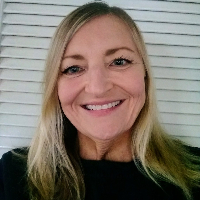
Lisa Fix
LCPC
Experienced Illinois counselor focused on practical support
Opens BetterHelp in a new tab, where you can review online therapy options.
- 33 years experience
- Client-centered style
- Direct compassionate guidance
About Lisa
Lisa has worked in community mental health, a hospital-based eating disorder program, and a university counseling center. She draws on different therapy approaches to tailor sessions to each person’s needs. She invites questions and encourages people to interview a therapist to find a good fit.
Her style is personal and relaxed. She offers direct feedback and gentle challenges when appropriate. Lisa emphasizes being caring and nonjudgmental while helping people feel heard and understood.
She helps people address stress, anxiety, depression, anger, trauma and abuse, relationship concerns, grief, eating and body-image issues, addictions, ADHD, bipolar mood concerns, sleeping problems, self-esteem, and coping with life changes. Additional focuses include communication problems, family of origin issues, and obsessive-compulsive symptoms.
Outside of work she enjoys exercise, gardening, coffee, chocolate, time with companion animals, and catching funny videos. She also follows social justice topics and brings a human, down-to-earth presence to sessions.
Areas of expertise
Primary focus
Also works with
Additional focus areas
Therapeutic approaches
Experience
33+ years
Credentials
Illinois
Languages
English
How therapy approaches translate to online work
Client-Centered Therapy focuses on listening and responding to what matters most to the person. The therapist follows the client's lead, reflects feelings, and helps people find their own solutions; this approach can be useful for relationship concerns, self-esteem, and grief.Cognitive Behavioral Therapy, or CBT, looks at the links between thoughts, feelings, and actions. It uses practical exercises and small experiments to reduce anxiety, manage mood, or change unhelpful behavior patterns.
Dialectical Behavior Therapy, or DBT, teaches skills for managing strong emotions and improving interpersonal effectiveness. It can help with anger, intense mood swings, and problems with impulsive reactions.
Finding the right approach is part of the process. Lisa will work together with each person to identify which methods fit best. That choice depends on goals, current struggles, and personal preferences, and it can be adjusted over time.
Confirm the available session formats before booking, as the biography does not list specific options. Online therapy can make it easier to fit counseling into a busy life - for example it can reduce travel time, allow a shorter check-in during a work break, or avoid having to be on camera when that feels difficult. Licensed professionals can adapt techniques like CBT exercises or DBT skill practice to an online setting so sessions remain practical and focused on everyday problems.
At a glance
- Listed location
- Illinois
- Experience
- 33+ years
- Credentials
- LCPC
- Languages
- English
- License (Illinois)
- LCPC · No. 180.000656
- NPI
- 1336285493
As listed by the therapist. You can check a license with the state board and an NPI with the national registry.
Frequently asked questions
What concerns does she help with?
She helps people with stress, anxiety, depression, anger, grief, relationship and intimacy-related issues, eating and body image concerns, addictions, trauma and abuse, sleep problems, ADHD, and mood disorders among other issues.
How would you describe her therapeutic style?
Her style is personal and relaxed. She listens without judgment, gives direct feedback when useful, and moves at a pace the client is comfortable with.
What experience does she bring to counseling?
She has 33 years of professional experience and has worked in community mental health, a hospital-based eating disorders program, and a university counseling center.
What are her credentials and where is she located?
She is an LCPC, which stands for Licensed Clinical Professional Counselor, licensed in Illinois.
Which languages are sessions offered in?
Sessions are offered in English.
Can she work with clients outside the United States?
International clients are not currently accepted.
How are session costs handled?
Costs vary with location and therapist availability; sessions use a subscription that can be canceled at any time.
How do I begin working with her?
Use the Start Therapy button, complete a short matching questionnaire, and schedule sessions according to therapist availability.
Before you start
- Online talk therapy is not a court-ordered or mandated anger-management course, and it does not provide attendance certificates.
- Check that the location and license details above fit where you live.
- If anyone is at risk of being harmed, contact emergency services or a domestic-abuse helpline first. See the support lines for the US, UK and Australia.