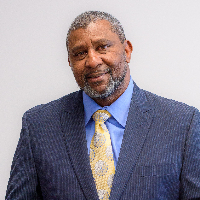
Lewis Smith
LPC
Guided, practical support for life’s hardest moments
Opens BetterHelp in a new tab, where you can review online therapy options.
- Client-centered care
- Goal-focused planning
- Practical coping skills
About Lewis
Smith works with people facing relationship strain, parenting challenges, self-esteem struggles, and workplace stress. He also supports those dealing with trauma, bipolar disorder, depression, and attention-related concerns. He pays attention to how family history, adoption or foster care experiences, and caregiver roles affect daily functioning.
In sessions he focuses on clear goals and real-life skills. Conversations often include strategies to handle impulsivity, control issues, and communication problems. He uses methods that help people change unhelpful thoughts, manage strong emotions, and improve interactions with others.
Lewis aims to create a respectful space where people feel heard and understood. He emphasizes cultural sensitivity and attends to how background and identity shape a person's experience. He is particularly experienced addressing men's mental health and intergenerational family dynamics.
Over his career Smith has blended practical coaching with therapeutic work to help people move through life transitions. He supports clients working on forgiveness, rebuilding trust after abandonment, and coping with chronic illness or caregiving stress. Sessions are collaborative and focused on steps that fit each person’s life.
Areas of expertise
Primary focus
Also works with
Additional focus areas
Therapeutic approaches
Experience
25+ years
Credentials
District of Columbia
Languages
English
How Lewis Uses Talk-Based Approaches Online
Client-Centered Therapy focuses on understanding each person's experience and priorities. The therapist listens without judgment and works at the client’s pace to build insight and confidence. Cognitive Behavioral Therapy, or CBT, looks at how thoughts and behaviors interact; sessions teach specific skills to change unhelpful thinking and reduce symptoms like anxiety or anger. Emotionally-Focused Therapy concentrates on the emotional experience in relationships and helps people identify patterns that affect closeness and trust.Finding the right approach is part of the work. Lewis will discuss options and tailor techniques based on a person's goals, needs, and preferences. That collaboration helps set clear targets and choose strategies that feel realistic for daily life.
Because the exact session formats are not listed in the biography, confirm current online session options before booking. Online therapy can make it easier to fit sessions into a busy schedule, reduce travel time, and allow check-ins during a lunch break or between obligations. It can also accommodate quieter surroundings or shorter conversations when a full session isn't possible. Licensed professionals can adjust pacing and homework so therapy fits practical needs while focusing on measurable progress.
At a glance
- Listed location
- District of Columbia
- Experience
- 25+ years
- Credentials
- LPC
- Languages
- English
- License (District of Columbia)
- LPC · No. PRC384
- NPI
- 1427682947
As listed by the therapist. You can check a license with the state board and an NPI with the national registry.
Frequently asked questions
What concerns does this therapist commonly address?
He helps people with stress, anxiety, depression, addictions, anger, grief, relationship problems, parenting strain, and career-related stress.
What is his general therapy style?
Sessions are collaborative and practical, focusing on clear goals and real-life skills tailored to each person.
How much clinical experience does he have?
He brings 25 years of experience working with a wide range of concerns and life transitions.
What credentials and location should I know about?
He holds the LPC credential, which stands for Licensed Professional Counselor, and practices in the District of Columbia.
In which languages can I speak with him?
Sessions are offered in English.
Can I work with him from outside the United States?
He accepts international clients; confirm time zone details when scheduling.
How are fees and payment handled?
Cost varies with location and therapist availability; sessions use a subscription that can be canceled at any time.
What do I do to begin therapy?
Select the Start Therapy button, complete a short matching questionnaire, and schedule according to the therapist's availability.
Before you start
- Online talk therapy is not a court-ordered or mandated anger-management course, and it does not provide attendance certificates.
- Check that the location and license details above fit where you live.
- If anyone is at risk of being harmed, contact emergency services or a domestic-abuse helpline first. See the support lines for the US, UK and Australia.