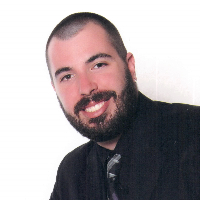
Lee Schlanger
LMHC
Calm, collaborative care for intense feelings
Opens BetterHelp in a new tab, where you can review online therapy options.
- Warm and inviting
- Practical coping skills
- Telehealth friendly
About Lee
Areas of expertise
Also works with
Additional focus areas
Therapeutic approaches
Experience
5+ years
Credentials
Florida
Languages
English
How Lee blends approaches for online work
Lee uses attachment-based ideas to look at how past relationships shape current reactions. That work helps people understand why they respond strongly in emotional moments and can be useful for anger, intimacy-related issues, and attachment concerns.He also practices client-centered therapy, which puts the person’s experience at the center. This means sessions focus on being heard and understood first, then exploring goals and next steps together. Cognitive behavioral techniques are used when helpful to teach skills for managing anxiety, mood shifts, and unhelpful thinking patterns.
Choosing the right approach is part of the therapy process. Lee works collaboratively to figure out which methods fit a person’s goals and day-to-day life. He may combine approaches over time and checks in regularly to see what is or isn’t working.
If you prefer online sessions, confirm the available formats before booking since individual options can vary. Online work can make it easier to fit sessions into a busy schedule, allow shorter check-ins when needed, and reduce travel time. Many people find telehealth-style sessions help maintain momentum between in-person appointments and make follow-up meetings simpler to schedule.
At a glance
- Listed location
- Florida
- Experience
- 5+ years
- Credentials
- LMHC
- Languages
- English
- License (Florida)
- LMHC · No. MH18548
- NPI
- 1346866035
As listed by the therapist. You can check a license with the state board and an NPI with the national registry.
Frequently asked questions
What kinds of problems does Lee help with?
Lee works with stress, anxiety, depression, grief, trauma, addictions, anger, and related concerns such as self-esteem, parenting strain, and caregiver stress.
How would you describe his therapy style?
Sessions are warm and collaborative. He focuses on connection, emotional processing, and practical steps clients can use between sessions.
What is Lee's background and experience?
He has five years of experience as a mental health counselor and has worked with people recovering from substance issues, traumatic events, and intense emotional distress.
What credentials and location are relevant?
Lee is a Florida licensed mental health counselor (LMHC) based in Florida.
Can sessions be conducted in other countries or languages?
Sessions are offered in English and Lee accepts international clients.
What session formats are offered?
The original biography notes telehealth work; please confirm current session formats before booking to know which options are available.
How are fees and payment handled?
Cost varies with location and therapist availability. Sessions use a subscription that can be canceled at any time.
How do I begin working with him?
Select the Start Therapy button, complete a short matching questionnaire, and schedule according to the therapist's availability.
Before you start
- Online talk therapy is not a court-ordered or mandated anger-management course, and it does not provide attendance certificates.
- Check that the location and license details above fit where you live.
- If anyone is at risk of being harmed, contact emergency services or a domestic-abuse helpline first. See the support lines for the US, UK and Australia.