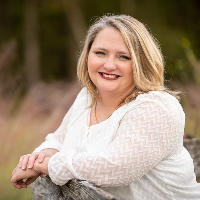
Lauren Anzelone
LCSW
Compassionate, practical help for difficult emotions
Opens BetterHelp in a new tab, where you can review online therapy options.
- Strengths-based approach
- Practical coping skills
- Collaborative problem solving
About Lauren
Lauren earned a Master of Social Work from East Carolina University and brings three years of post-licensure experience as a Licensed Clinical Social Worker. She has worked with people affected by depression, trauma, mood disorders, and panic, and has supported those coping with addiction and compassion fatigue. She has also spent years supporting parents and foster parents managing challenging behaviors.
Her approach centers on listening first, then building on what’s already going well. She blends client-centered methods with cognitive behavioral techniques to help people notice patterns and try new responses. Motivational interviewing and solution-focused strategies are used when clients want clear goals and short-term steps.
Trauma-focused work is part of her repertoire for people who have experienced abuse or physical trauma. Sessions emphasize safety, pacing, and practical coping skills rather than technical jargon. Lauren also brings experience with adoption and foster care issues, autism and Asperger syndrome, codependency, and postpartum concerns.
She offers therapy in English and practices in North Carolina. People who start with Lauren can expect straightforward conversation, concrete tools to practice between sessions, and a collaborative plan that reflects their priorities and values.
Areas of expertise
Primary focus
Also works with
Additional focus areas
Therapeutic approaches
Experience
3+ years
Credentials
North Carolina
Languages
English
How Lauren Uses Practical Approaches Online
Client-centered therapy focuses on the person's own goals and experiences. The therapist listens closely, reflects what she hears, and helps clients decide what matters most to them. This approach supports people who need space to talk things through and build self-understanding.Cognitive Behavioral Therapy, or CBT, looks at how thoughts, feelings, and actions connect. Lauren uses CBT to help people identify unhelpful patterns and try small behavioral experiments. This can be useful for anxiety, anger, panic, and low mood.
Motivational Interviewing helps when someone feels stuck about change. It uses open questions and reflective listening to uncover motivation and plan achievable next steps.
Finding the right approach is part of the work. Lauren will discuss options and tailor methods based on each person's needs, goals, and preferences. Decisions about pacing, focus, and tools are made together so the plan feels manageable.
If you are considering online therapy, confirm the session formats available before booking since specific formats aren’t detailed in the biography. Online options can make it easier to fit therapy into a busy life by reducing travel and letting people schedule sessions around work or caregiving. Other practical benefits include using shorter check-ins when needed, avoiding video when bandwidth is limited, and keeping continuity of care when life is otherwise busy. Licensed professionals can adapt these approaches to suit an individual's situation.
At a glance
- Listed location
- North Carolina
- Experience
- 3+ years
- Credentials
- LCSW
- Languages
- English
- License (North Carolina)
- LCSW · No. C012300
- NPI
- 1265973374
As listed by the therapist. You can check a license with the state board and an NPI with the national registry.
Frequently asked questions
What kinds of problems does Lauren help with?
She works with stress, anxiety, anger, depression, trauma and relationship concerns, along with issues like addiction, self-esteem, and coping with life changes.
How would you describe her therapeutic style?
Her style is strengths-based and collaborative. She listens first, then helps set practical goals and steps using straightforward tools.
What is her professional background?
Lauren holds a Master of Social Work from East Carolina University and has three years of experience as a Licensed Clinical Social Worker.
Where is she located and what credential does she hold?
She practices in North Carolina and is licensed as an LCSW in that state.
Can I work with her in a language other than English?
Sessions are offered in English.
What session formats are offered?
Please confirm current session options before booking, as the therapist's biography does not list specific formats.
How is pricing handled for sessions?
Cost varies with location and therapist availability, and sessions use a subscription that can be canceled at any time.
How do I begin working with her?
Use the Start Therapy button, complete a short matching questionnaire, and then schedule according to the therapist's availability.
Before you start
- Online talk therapy is not a court-ordered or mandated anger-management course, and it does not provide attendance certificates.
- Check that the location and license details above fit where you live.
- If anyone is at risk of being harmed, contact emergency services or a domestic-abuse helpline first. See the support lines for the US, UK and Australia.