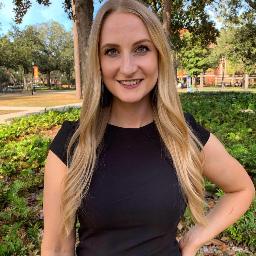
Laura Westbrook
LPC
Supportive person-centered counselor focused on change
Opens BetterHelp in a new tab, where you can review online therapy options.
- Person-centered approach
- Uses mindfulness tools
- Works with addictions
About Laura
Her background includes work in nonprofit settings focused on addictions and trauma, and she has seven years of clinical experience. That work sparked her interest in improving mental health care access, especially for people affected by the criminal justice system. She has worked with people of different genders and ages and with a range of life circumstances.
Westbrook often helps with anger, anxiety, depression, grief, and relationship or intimacy concerns. She also supports clients facing chronic illness, HIV, attachment and abandonment issues, and challenges around substance use. Sessions aim to help clients manage stress, build self-esteem, and navigate life changes.
Her approach draws on attachment-based ideas, mindfulness, existential reflection, and motivational interviewing, while keeping the client’s goals central. Sessions are collaborative - the client’s perspective guides the work and the therapist offers tools and questions to move things forward.
Laura trained in several states and brings personal experience of living in different regions to her practice. She uses everyday language, listens for what matters most, and focuses on realistic strategies clients can try between sessions.
Areas of expertise
Primary focus
Also works with
Additional focus areas
Therapeutic approaches
Experience
7+ years
Credentials
Alabama, Tennessee
Languages
English
How therapeutic approaches shape online sessions
Attachment-based work focuses on how relationships affect feelings and behavior. In sessions this may mean talking about patterns from early relationships and how they show up now, which can help with anger, intimacy, and trust issues.Client-centered therapy centers the person’s own goals and experience. The therapist listens closely, reflects what she hears, and follows the client’s lead to find practical next steps and coping strategies.
Finding the right approach is part of therapy. The therapist will talk with the client about needs, goals, and preferences and decide together what to try. That collaborative process helps tailor techniques like mindfulness exercises or motivational interviewing to the person’s life.
Confirm the current online session options before booking, since formats are not listed in the biography. Online work can make it easier to fit therapy into a busy schedule, allow shorter check-ins when needed, and reduce travel time. It can also make it simpler to use resources discussed in sessions, like watching a short clip or doing a mindfulness practice between meetings.
At a glance
- Listed location
- Tennessee
- Experience
- 7+ years
- Credentials
- LPC
- Languages
- English
- License (Alabama)
- LPC · No. LPC04476
- License (Tennessee)
- LPC · No. 7543
- NPI
- 1154096584
As listed by the therapist. You can check a license with the state board and an NPI with the national registry.
Frequently asked questions
What concerns does this therapist address?
She helps with a wide range of concerns including anger, anxiety, depression, addictions, trauma, grief, relationship and intimacy issues, and stress related to life changes.
How would you describe the therapeutic style?
Sessions are person-centered and collaborative, with an emphasis on empathy and connection. She uses humor and media like books or TV to make work practical and relatable.
What is her professional background?
She has seven years of clinical experience and has worked primarily in nonprofit settings treating addictions and trauma.
What credentials and location apply?
She holds the Licensed Professional Counselor credential and is listed with AL LPC and TN LPC. Her practice is based in Tennessee.
Which languages are supported and are international clients accepted?
Sessions are offered in English. International clients are not currently accepted.
What session formats are offered?
Please confirm current session options before booking, as the biography does not specify formats. Check the booking flow to see available ways to meet.
How is cost handled for sessions?
Cost varies with location and therapist availability, and sessions use a subscription that can be canceled at any time.
How do I begin working with this therapist?
Select the Start Therapy button, complete a short matching questionnaire, and schedule according to the therapist's availability.
Before you start
- Online talk therapy is not a court-ordered or mandated anger-management course, and it does not provide attendance certificates.
- Check that the location and license details above fit where you live.
- If anyone is at risk of being harmed, contact emergency services or a domestic-abuse helpline first. See the support lines for the US, UK and Australia.