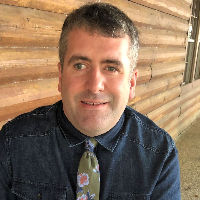
Lannie Cox
LPC
Practical support for anger and life change
Opens BetterHelp in a new tab, where you can review online therapy options.
- Encouraging listener
- Skill building focus
- Practical background
About Lannie
He draws on cognitive behavioral tools to shift unhelpful thoughts and behaviors. He also uses Dialectical Behavior Therapy (DBT) skills for emotion regulation and Mindfulness practices to help people stay present. Emotionally-Focused Therapy (EFT) and the Gottman Method inform his work around relationship and intimacy concerns.
Before counseling he spent 15 years in corporate communications and public relations, which shaped his practical, results-oriented style. He holds a master’s degree in Clinical Mental Health Counseling from West Texas A&M University and practices as an LPC in Texas. He is a husband and father and mentions his Seeing Eye dog Abbott as part of his day-to-day life.
Sessions focus on identifying realistic goals and building skills clients can use between meetings. Lannie emphasizes collaboration - he listens, offers observations, and proposes experiments to try in real life. He invites people to bring what feels stuck and to work toward clearer choices and steadier reactions.
Readers who want to begin are encouraged to use the Start Therapy button and complete the short matching questionnaire to schedule according to the therapist’s availability.
Areas of expertise
Primary focus
Also works with
Additional focus areas
Therapeutic approaches
Experience
3+ years
Credentials
Texas
Languages
English
How therapy approaches translate to online work
CBT, or Cognitive Behavioral Therapy, focuses on identifying thoughts and behaviors that keep someone stuck and testing small changes to see what helps. It is useful for anger, anxiety, and mood concerns because it gives clear skills and experiments to try between sessions.Dialectical Behavior Therapy, DBT, teaches concrete skills for managing intense emotions, improving distress tolerance, and handling conflict more effectively. These skills can help when anger or impulsivity leads to problems at work or home.
Emotionally-Focused Therapy helps people notice and name emotions and then use that understanding to change how they relate to others. It is often used for intimacy-related issues and relationship repair.
Finding the right approach is part of the work together. The therapist will review goals, try an approach, and adjust based on what the client finds most helpful. This is a collaborative process that centers client preferences and real-life results.
Session formats are not specified in the biography, so confirm current options before booking. Online therapy can make regular check-ins easier to fit into a busy week, allow brief skill-focused sessions when a short boost is needed, and remove travel time for people balancing work and family obligations. Licensed professionals can use these approaches effectively through remote sessions when scheduling and personal needs align.
At a glance
- Listed location
- Texas
- Experience
- 3+ years
- Credentials
- LPC
- Languages
- English
- License (Texas)
- LPC · No. 79659
- NPI
- 1326605197
As listed by the therapist. You can check a license with the state board and an NPI with the national registry.
Frequently asked questions
What concerns does this therapist address?
Lannie supports people with anger, stress, anxiety, depression, relationship and parenting concerns, addictions, trauma and many related issues listed on his profile.
How would you describe his therapeutic style?
He uses a practical, encouraging style that focuses on listening, identifying what is not working, and trying small, realistic changes between sessions.
What kind of background does he bring to therapy sessions?
He has three years of clinical experience and a 15-year corporate communications background that informs a results-oriented, plainspoken approach.
What credentials and location are listed for this clinician?
He is a Licensed Professional Counselor, LPC, practicing in Texas with a master’s degree in Clinical Mental Health Counseling.
Which languages and international options are available?
Sessions are offered in English and he accepts international clients.
What session formats does he offer?
The biography does not specify session formats; please confirm the current session options before booking.
How are fees handled for sessions?
Cost varies with location and therapist availability; sessions use a subscription that can be canceled at any time.
What are the first steps to begin working with him?
Use the Start Therapy button, complete the short matching questionnaire, and schedule appointments according to the therapist’s availability.
Before you start
- Online talk therapy is not a court-ordered or mandated anger-management course, and it does not provide attendance certificates.
- Check that the location and license details above fit where you live.
- If anyone is at risk of being harmed, contact emergency services or a domestic-abuse helpline first. See the support lines for the US, UK and Australia.