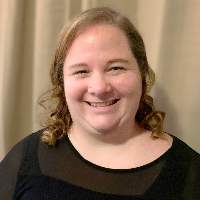
Kimberly Lincoln
LMHC, LCMHC
Compassionate counselor focused on practical change
Opens BetterHelp in a new tab, where you can review online therapy options.
- Client-centered care
- Practical skill building
- Trauma-informed
About Kimberly
Her approach centers on the individual in front of her. She uses practical tools from Cognitive Behavioral Therapy and Dialectical Behavior Therapy alongside client-centered listening. Sessions often address what is urgent that week so longer-term work can continue without derailment.
Kimberly has substantial experience with people affected by child welfare involvement, adoption and foster care, and blended family challenges. She has worked with survivors of childhood sexual trauma and with people navigating addictions, codependency, and relationship conflict. Her background includes work with communication problems, caregiver stress, and grief.
In the room, she combines goal-focused methods with a collaborative conversation style. Motivational Interviewing is part of how she supports change when someone feels stuck. Emotionally-Focused Therapy elements help when relationship and intimacy issues are present.
Clients come to her for help with anxiety, depression, anger, self-esteem, parenting strain, ADHD, and coping with major life changes. Kimberly aims to help clients feel better and get practical relief from the issues that brought them to therapy.
Areas of expertise
Primary focus
Also works with
Additional focus areas
Therapeutic approaches
Experience
11+ years
Credentials
Florida, North Carolina
Languages
English
How her approaches translate to online therapy
Client-Centered Therapy focuses on listening and reflecting what matters to the client so they feel heard and grounded. It helps with relationship struggles, self-esteem, and emotional confusion by making room for the client's priorities.Cognitive Behavioral Therapy (CBT) looks at how thoughts, feelings, and actions link together and uses simple exercises to change unhelpful patterns. CBT is practical for anxiety, depression, anger, and coping with life changes.
Dialectical Behavior Therapy (DBT) adds concrete skills for managing strong emotions and improving interpersonal effectiveness. It is useful when someone needs tools to tolerate distress and reduce conflict.
Finding the right approach is part of the work. Kimberly will talk with each person about their needs and goals and suggest methods that fit. She adapts techniques from these models so sessions match what is most useful in the moment, and she involves clients in choosing priorities.
If you plan to try online therapy, confirm current session options before booking since formats are not specified here. Online sessions can help fit therapy into busy schedules, make it easier to keep short check-ins, or avoid travel time. Talk with the therapist when you schedule to learn which session formats she offers and which will best fit your routine.
At a glance
- Listed location
- North Carolina
- Experience
- 11+ years
- Credentials
- LMHC, LCMHC
- Languages
- English
- License (Florida)
- LMHC · No. MH11737
- License (North Carolina)
- LCMHC · No. 16638
- NPI
- 1023380177
As listed by the therapist. You can check a license with the state board and an NPI with the national registry.
Frequently asked questions
What concerns does she commonly address?
She helps people with stress, anxiety, depression, anger, addictions, relationship and family issues, grief, and parenting challenges. Additional focus includes attachment, adoption and foster care issues, and caregiver stress.
What is her therapeutic style like?
Her style is collaborative and focused on the person in front of her. She balances short-term problem solving with longer-term goals and uses practical skills during sessions.
How long has she been practicing?
She has 11 years of clinical experience working in settings that include child welfare and trauma recovery.
What are her credentials and where is she based?
She is a Licensed Mental Health Counselor with LMHC and LCMHC credentials and practices in North Carolina.
Which languages are supported for sessions?
Sessions are offered in English.
Can international clients work with her?
International clients are not currently accepted.
How are sessions paid for and what does it cost?
Costs vary with location and therapist availability; sessions use a subscription that can be canceled at any time.
How do I begin therapy with her?
Select the Start Therapy button, complete a short matching questionnaire, and schedule according to the therapist's availability.
Before you start
- Online talk therapy is not a court-ordered or mandated anger-management course, and it does not provide attendance certificates.
- Check that the location and license details above fit where you live.
- If anyone is at risk of being harmed, contact emergency services or a domestic-abuse helpline first. See the support lines for the US, UK and Australia.