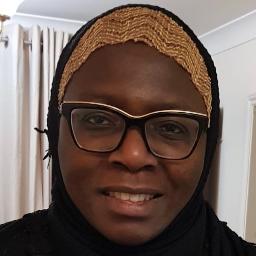
Khafayah Abdulsalam
BACP, NCPS
Compassionate counselling rooted in faith and culture
Opens BetterHelp in a new tab, where you can review online therapy options.
- Trauma-informed care
- Islamic counselling option
- Practical emotion tools
About Khafayah
Her background includes accreditation with the British Association for Counselling and Psychotherapy, BACP, and registration with the National Counselling and Psychotherapy Society, NCPS. She also practises as an Islamic counsellor when clients request spiritual guidance, using Qur'anic reflections, du'a and the Names of Allah as part of therapy when wanted.
Khafayah describes her approach as trauma-informed and integrative. She works from person-centred ideas and draws on cognitive behavioural techniques and emotional regulation tools. Practical methods include reflective journaling and strategies to manage intense feelings and relationship conflict.
She often supports people facing cultural or religious identity struggles, feelings of emptiness, and family-of-origin problems. Sessions aim to help clients release patterns that no longer serve them and rebuild a stronger sense of self and direction.
Therapy with Khafayah is not positioned as a quick fix. She offers remote sessions and engages in regular clinical supervision in line with BACP guidance. Prospective clients can expect collaborative work that respects faith and culture while focusing on real-life changes.
Areas of expertise
Primary focus
Also works with
Additional focus areas
Therapeutic approaches
Experience
5+ years
Credentials
United Kingdom, United Kingdom
Languages
English, Yoruba
How her approaches translate to online therapy
Khafayah uses Acceptance and Commitment Therapy and Attachment-Based Therapy alongside person-centred work to help people manage strong emotions and improve relationships. ACT focuses on clarifying values and taking small, meaningful actions even when feelings are difficult, which can help with anger, anxiety and low mood. Attachment-Based Therapy looks at how early relationship patterns shape current bonds, helping people understand and shift repeating dynamics in relationships.Choosing the right approach is part of the therapeutic process. Khafayah will work together with clients to identify which methods feel most helpful based on their goals and preferences. Sessions can include practical exercises, reflective journaling and emotion regulation tools adapted to the client's needs.
The biography indicates remote therapy is offered, but it does not list specific formats here, so please confirm session options before booking. Online work can make it easier to fit therapy into a busy life, allow shorter check-ins when needed, and reduce travel time. It also allows people to include faith-based reflections when they prefer, so therapy can align with cultural and spiritual values while focusing on everyday changes.
At a glance
- Listed location
- United Kingdom
- Experience
- 5+ years
- Credentials
- BACP, NCPS
- Languages
- English, Yoruba
- Registration (United Kingdom)
- BACP · No. 391408
- Registration (United Kingdom)
- NCPS · No. NCS21-02368
As listed by the therapist. You can check a registration with the body that issued it.
Frequently asked questions
What concerns does Khafayah help with?
She supports people with stress, anxiety, anger, grief, depression, relationship problems and addictions, plus related family and intimacy issues.
What is her therapeutic style like?
Her style is trauma-informed and integrative, using person-centred conversation alongside practical strategies such as journaling and emotional regulation exercises.
How much experience does she have?
Khafayah has five years of clinical experience working with a range of emotional and relational issues.
What professional credentials and location apply?
She is an Accredited Member of the British Association for Counselling and Psychotherapy, BACP, and an Accredited Registrant of the National Counselling and Psychotherapy Society, NCPS, practising from the United Kingdom.
Which languages are supported?
Sessions are offered in English and Yoruba.
What session formats are available?
The original biography states that remote therapy is offered; please confirm current session options before booking.
How are sessions paid for?
Costs vary with location and therapist availability, and sessions use a subscription that can be cancelled at any time.
How do I begin working with her?
Select the Start Therapy button, complete a short matching questionnaire, and schedule according to therapist availability.
Before you start
- Online talk therapy is not a court-ordered or mandated anger-management course, and it does not provide attendance certificates.
- Check that the location and registration details above fit where you live.
- If anyone is at risk of being harmed, contact emergency services or a domestic-abuse helpline first. See the support lines for the US, UK and Australia.