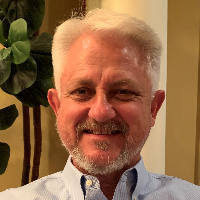
Kevin Phillips
LPC
Practical, goal-focused counseling for everyday struggles
Opens BetterHelp in a new tab, where you can review online therapy options.
- Solution-focused
- Skills-based
- Biblical option
About Kevin
He uses straightforward tools from cognitive behavioral therapy and Acceptance and Commitment Therapy to help people change unhelpful patterns. He also draws on client-centered and emotionally focused ideas to strengthen communication and connection. Sessions tend to aim at clear goals and small, doable steps rather than long talks about the past.
Kevin has substantial experience supporting people who’ve faced physical, emotional, or sexual trauma and those affected by criminal violence. He has worked alongside law enforcement and victim advocates, and he has spent many hours assisting people with addiction and legal-related mental health challenges.
He also offers counseling that can include a biblical worldview when clients want that perspective. He has worked with spiritual leaders and others facing burnout or ministry setbacks, and he supports people coping with bipolar issues, grief, parenting strain, and separation or divorce.
In sessions, Kevin uses practical relaxation and motivation techniques, communication coaching, and strategies to improve impulse control and self-esteem. He aims to be upbeat, respectful, and solution-focused while helping clients set goals and restore a sense of hope and balance.
Areas of expertise
Primary focus
Also works with
Additional focus areas
Therapeutic approaches
Experience
14+ years
Credentials
South Carolina
Languages
English
How therapy approaches translate to online work
Acceptance and Commitment Therapy (ACT) helps people notice thoughts and feelings without getting stuck in them, then commit to actions that match their values. It can be useful for anxiety, anger, and life transitions. Cognitive Behavioral Therapy (CBT) focuses on identifying unhelpful thoughts and testing them with practical tasks and behavioral experiments, which often reduces symptoms of depression and anxiety. Client-Centered Therapy centers the conversation on the person’s experience, offering empathy and acceptance to help them explore goals and build confidence.Finding the right approach is part of the process. The therapist will work together with the client to choose methods that fit the person’s needs, goals, and preferences. That collaborative decision can shift over time as goals change or new challenges appear.
The original biography does not list specific online session formats, so confirm the available formats before booking. In general, online work can make it easier to fit sessions into a busy life, support shorter check-in meetings, reduce travel time, and allow therapy from a wider geographic area. Licensed professionals can adapt ACT and CBT exercises for remote sessions, use coaching-style homework between meetings, and focus on practical skill building that translates to daily routines.
At a glance
- Listed location
- South Carolina
- Experience
- 14+ years
- Credentials
- LPC
- Languages
- English
- License (South Carolina)
- LPC · No. 6135
- NPI
- 1568820934
As listed by the therapist. You can check a license with the state board and an NPI with the national registry.
Frequently asked questions
What concerns does Kevin help with?
He works with stress, anxiety, depression, anger, addictions, trauma and relationship problems among other issues listed in his profile.
What is his therapeutic style like?
His approach is warm and interactive, leaning toward solution-focused work and skill building with encouragement and practical steps.
How much experience does he have?
He has 14 years of experience as a Licensed Professional Counselor in South Carolina and has extensive hours working with trauma and addiction.
Where is he licensed and based?
He is a Licensed Professional Counselor (LPC) in South Carolina and practices from that state.
Which languages are supported for sessions?
Sessions are offered in English and international clients are accepted.
What session formats are available?
The original biography does not list specific session formats; confirm current options before booking to learn which formats are offered.
How is cost handled?
Cost varies with location and therapist availability, and sessions use a subscription that can be canceled at any time.
How do I get started?
Click the Start Therapy button, complete a short matching questionnaire, and schedule according to therapist availability.
Before you start
- Online talk therapy is not a court-ordered or mandated anger-management course, and it does not provide attendance certificates.
- Check that the location and license details above fit where you live.
- If anyone is at risk of being harmed, contact emergency services or a domestic-abuse helpline first. See the support lines for the US, UK and Australia.