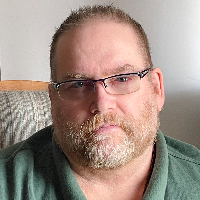
Ken McCauley
LCMHC
Solution-focused counselor for everyday struggles
Opens BetterHelp in a new tab, where you can review online therapy options.
- Goal oriented
- Strengths based
- Practical strategies
About Ken
Before his current work he spent many years in human services for the State of Utah, including work related to child abuse, neglect, adoption, and foster care. He has also worked in outpatient clinics and community mental health settings supporting adults and teenagers facing substance use, court-ordered treatment, and everyday struggles with housing, employment, and family stress.
His approach starts with active listening and identifying strengths that people already have. He uses techniques from cognitive behavioral therapy, client-centered work, and attachment-based ideas to help change unhelpful thoughts and patterns. He also draws on dialectical behavior therapy and EMDR when those methods fit a person’s needs.
In sessions he helps people set clear goals and build step-by-step strategies to meet them. He emphasizes respect, sensitivity, and compassion, and avoids stigmatizing labels. He frames therapy as a shared journey that asks for courage and curiosity.
Ken speaks English and practices in Utah as an LCMHC. He has experience addressing a wide range of concerns including grief, parenting stress, ADHD, trauma and abuse, intimacy-related issues, and compassion fatigue.
Areas of expertise
Primary focus
Also works with
Additional focus areas
Therapeutic approaches
Experience
14+ years
Credentials
Utah
Languages
English
How therapeutic approaches shape online work
Ken often uses cognitive behavioral therapy to help people notice and change unhelpful thoughts that lead to difficult feelings and behaviors. CBT is practical and goal oriented, good for anxiety, depression, anger, and problems with daily functioning.He also draws on attachment-based and client-centered ideas. Attachment-based work looks at how early relationships influence patterns in adult life. Client-centered work focuses on listening closely and building a respectful, nonjudgmental relationship that supports growth.
Finding the right approach is a collaborative process. The therapist will talk with each person about goals, preferences, and what feels helpful. Together they decide which techniques to try and adjust them as progress is made.
The biography does not list specific online session formats, so confirm available options before booking. Online work can make it easier to fit sessions into a busy week, reduce travel time, and allow shorter check-ins when schedules demand it. Talk with the therapist about what will fit into daily life and which methods seem most useful for the issues you want to address.
At a glance
- Listed location
- Utah
- Experience
- 14+ years
- Credentials
- LCMHC
- Languages
- English
- License (Utah)
- LCMHC · No. 357503-6004
- NPI
- 1356767388
As listed by the therapist. You can check a license with the state board and an NPI with the national registry.
Frequently asked questions
What problems does he help with?
He works with stress, anxiety, depression, anger, addictions, trauma, relationship and parenting concerns, and related life challenges.
What is his general therapy style?
He listens actively, looks for personal strengths, and helps set concrete goals using practical techniques from cognitive behavioral and client-centered approaches.
What experience does he bring?
He has 14 years as a licensed mental health therapist and many additional years in human services, including work with adoption, child abuse and neglect, and community mental health.
What credentials and location are listed?
He holds an LCMHC credential (licensed clinical mental health counselor) and practices in Utah.
Which languages are supported and can international clients join?
Sessions are offered in English and international clients are not currently accepted.
What session formats are offered?
The original biography does not specify session formats; please confirm current session options before booking.
How much do sessions cost?
Cost varies with location and therapist availability; sessions use a subscription that can be canceled at any time.
How do I begin working with him?
Use the Start Therapy button, complete a short matching questionnaire, and then schedule according to therapist availability.
Before you start
- Online talk therapy is not a court-ordered or mandated anger-management course, and it does not provide attendance certificates.
- Check that the location and license details above fit where you live.
- If anyone is at risk of being harmed, contact emergency services or a domestic-abuse helpline first. See the support lines for the US, UK and Australia.