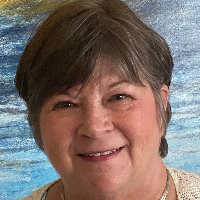
Kay Ibarra
LPC
Calm, experienced counselor for anger and life stress
Opens BetterHelp in a new tab, where you can review online therapy options.
- 29 years experience
- Georgia LPC
- Anger and stress
About Kay
She started practicing in 1992 and has worked in community behavioral health and private practice settings. Kay has been an LPC in Georgia since 2002 and has experience supervising other counselors. Over the years she has supported people dealing with trauma and abuse, co-occurring concerns, family conflict, low self-esteem, and problems with sleep and grief.
Kay uses a mix of approaches based on what each person needs. She draws on acceptance and commitment ideas, cognitive behavioral tools, dialectical skills, emotionally-focused methods, and client-centered listening. Sessions often include practical skills, emotional reflection, and steps to change unhelpful patterns.
She found that virtual work during the COVID pandemic made it easier for many people to meet at times that fit their lives. Kay emphasizes a respectful, validating style so people feel heard and safe to try new ways of coping.
People who are ready to work on anger, relationship issues, addiction, caregiving stress, or life transitions may find her straightforward, steady approach helpful. She invites those seeking more balance and clearer direction to begin a conversation and see if it feels like a good fit.
Areas of expertise
Also works with
Additional focus areas
Therapeutic approaches
Experience
29+ years
Credentials
Georgia
Languages
English
Online care built around practical approaches
Kay often uses Acceptance and Commitment Therapy to help people notice thoughts and feelings without getting stuck, then choose actions that match their values. This approach can help with anger, anxiety, and life changes by focusing on what matters most rather than fighting unwanted feelings.She also uses Cognitive Behavioral Therapy, which looks at how thoughts, feelings, and behaviors influence each other. This method teaches concrete strategies to change unhelpful thinking and behavior patterns that fuel anger, depression, or stress.
Finding the right approach is a joint process. Kay will work with each person to decide which methods fit their goals and preferences. That collaboration helps shape session focus and skill practice over time.
If you are considering online work, confirm the current session options before booking. During virtual sessions people can fit meetings into busy schedules, meet at different hours, and avoid travel time. Some formats also make it easier to have a shorter check-in or to choose a session that doesn’t require video, depending on practical needs.
At a glance
- Listed location
- Georgia
- Experience
- 29+ years
- Credentials
- LPC
- Languages
- English
- License (Georgia)
- LPC · No. LPC003671
- NPI
- 1275979601
As listed by the therapist. You can check a license with the state board and an NPI with the national registry.
Frequently asked questions
What kinds of problems does Kay help with?
She supports people with anger, stress, anxiety, depression, trauma and abuse, grief, sleep issues, addictions, relationship and family concerns, and more.
What is her general approach in sessions?
She combines practical skills and empathetic listening, using methods such as cognitive behavioral techniques, acceptance and commitment ideas, dialectical skills, and emotionally-focused work.
How much experience does she bring?
Kay has been a licensed therapist since 1992, bringing 29 years of clinical experience in community behavioral health and private practice.
What are her credentials and where is she based?
She is a Licensed Professional Counselor (LPC) practicing in Georgia and has worked under licensure in multiple states during her career.
Which languages are supported for sessions?
Sessions are offered in English only.
Can people outside the United States work with her?
International clients are not currently accepted.
How are fees handled?
Cost varies with location and therapist availability; sessions use a subscription that can be canceled at any time.
How do I begin if I want to work together?
Click the Start Therapy button, complete a short matching questionnaire, and schedule according to therapist availability.
Before you start
- Online talk therapy is not a court-ordered or mandated anger-management course, and it does not provide attendance certificates.
- Check that the location and license details above fit where you live.
- If anyone is at risk of being harmed, contact emergency services or a domestic-abuse helpline first. See the support lines for the US, UK and Australia.