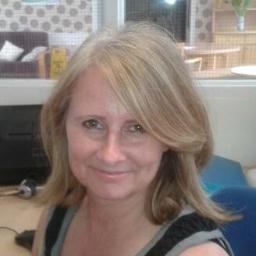
Kathleen Morgan
BACP
Experienced psychodynamic counsellor for anger
Opens BetterHelp in a new tab, where you can review online therapy options.
- Psychodynamic focus
- Trauma informed
- 45 minute sessions
About Kathleen
Areas of expertise
Primary focus
Also works with
Additional focus areas
Therapeutic approaches
Experience
7+ years
Credentials
United Kingdom
Languages
English
How Kathleen’s approaches can work online
Psychodynamic therapy focuses on patterns in relationships and feelings that repeat over time. Online conversations can still uncover these patterns by reflecting on recent interactions and earlier life events. This approach can help when anger or persistent conflict feels linked to past experience.Attachment-based work looks at how early bonds shape current trust and closeness. In online sessions this can mean noticing how clients relate to the counsellor and practising new ways of communicating. It can be useful for worries about abandonment, attachment issues and intimacy-related difficulties.
Finding the right approach is part of the work together. Kathleen will talk with each person about their needs, goals and preferences and will help choose how to proceed. That choice is collaborative and may change as therapy progresses.
Practical benefits of online therapy include fitting sessions around daily life and reducing travel time, which can make regular attendance easier. Some people prefer shorter check-ins or audio-only conversations when they need less bandwidth or a quick catch-up. Because session formats were not specified in the biography, please confirm the current options before booking to ensure they fit your routine and technical constraints.
At a glance
- Listed location
- United Kingdom
- Experience
- 7+ years
- Credentials
- BACP
- Languages
- English
- Registration (United Kingdom)
- BACP · No. 381295
As listed by the therapist. You can check a registration with the body that issued it.
Frequently asked questions
What concerns can Kathleen help with?
She works with a wide range of issues including anger, stress, anxiety, depression, grief, addictions and relationship difficulties. Additional areas include attachment problems, panic attacks and post-traumatic stress.
How would you describe her therapeutic style?
Her style is reflective and listening-led, using psychodynamic ideas to notice repeating patterns. She also draws on trauma-focused work when past events continue to affect day-to-day life.
What is her professional background?
She has seven years of experience as a counsellor and completed several years of training that inform her clinical approach. Her work aims to help people gain deeper understanding of themselves.
What credential does she hold and where is she based?
She holds BACP registration, which reflects membership of the British Association for Counselling and Psychotherapy, and practises in the United Kingdom.
Are sessions available in other languages or internationally?
Sessions are offered in English. She does not accept international clients at this time.
What session formats are offered?
The original biography states that sessions last 45 minutes and run on a regular schedule. Please confirm current session formats and any remote options before booking.
How are sessions paid for and what does it cost?
Sessions use a subscription model that can be cancelled at any time. Exact fees vary with location and therapist availability.
How do I begin working with her?
To start, select the Start Therapy button, complete a short matching questionnaire, and schedule sessions according to the therapist's availability.
Before you start
- Online talk therapy is not a court-ordered or mandated anger-management course, and it does not provide attendance certificates.
- Check that the location and registration details above fit where you live.
- If anyone is at risk of being harmed, contact emergency services or a domestic-abuse helpline first. See the support lines for the US, UK and Australia.