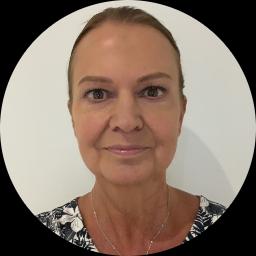
Kate Wilson
NCPS
Calm, practical psychotherapy and hypnotherapy
Opens BetterHelp in a new tab, where you can review online therapy options.
- Warm and open
- Practical steps
- Collaborative approach
About Kate
Kate trained in psychology, earning a BA (Hons) from the University of Liverpool and an MSc in Social Psychology from the London School of Economics. Before training as a counsellor she worked as a research psychologist at LSE and later moved into clinical roles that included bereavement support for Cruse. She is a clinical supervisor who supports other therapists in their work.
Her practice uses a pluralistic approach, drawing on Acceptance and Commitment Therapy (ACT), Cognitive Behavioural Therapy (CBT), Client-Centred Therapy, hypnotherapy and mindfulness-based techniques. She adapts methods to suit the person in front of her rather than using a single fixed model. This means sessions may include practical exercises, reflection and short techniques to try between meetings.
People come to Kate for a wide range of concerns such as anxiety, grief, self-esteem, depression, addictions, relationship and intimacy-related issues, parenting strain and anger. She also supports those facing fertility, bereavement, cancer-related worries, end-of-life matters and work-related compassion fatigue.
Her tone in sessions is non-judgemental and collaborative. The focus is on small, manageable steps and on helping people regain a sense of choice and purpose. Kate works from the United Kingdom and offers sessions in English.
Areas of expertise
Also works with
Additional focus areas
Therapeutic approaches
Experience
10+ years
Credentials
United Kingdom
Languages
English
How Kate uses therapy approaches online
Acceptance and Commitment Therapy (ACT) helps people notice difficult thoughts and choose actions that match their values. It is often used for anxiety, stress and coping with life changes. Cognitive Behavioural Therapy (CBT) focuses on spotting patterns of thinking and behaviour that keep problems going and then trying small experiments to change them. It is commonly used for anxiety, low mood and sleeping difficulties. Client-Centred Therapy gives space for people to be heard without judgement and supports self-understanding and emotional processing.Finding the right approach is part of the work together. Kate will discuss different methods and try things that fit a person's goals and preferences. This is a collaborative process so adjustments are made as sessions progress.
Session formats are not specified in the biography, so confirm the current options before booking. Many people find online or remote therapy helps fit counselling into busy lives because it can cut journey time, make it easier to schedule around work or parenting, and allow shorter check-ins when needed. Online sessions can also make it simpler to continue therapy when life is disrupted, while the therapist helps set realistic tasks to use between meetings.
At a glance
- Listed location
- United Kingdom
- Experience
- 10+ years
- Credentials
- NCPS
- Languages
- English
- Registration (United Kingdom)
- NCPS · No. NCS18-07212
As listed by the therapist. You can check a registration with the body that issued it.
Frequently asked questions
What kinds of problems does she help with?
She works with stress, anxiety, depression and anger as well as grief, self-esteem and coping with major life changes.
What is her therapeutic style like?
Her style is warm and open and she uses a pluralistic approach, drawing on several therapies to match what helps each person most.
How much clinical experience does she have?
She has ten years of experience, including roles as a research psychologist and work supporting bereavement services.
What qualifications does she hold and where is she based?
She holds NCPS and trained in psychology with a BA (Hons) from the University of Liverpool and an MSc from the London School of Economics, and works from the United Kingdom.
Which languages can sessions be held in?
Sessions are offered in English.
Can people outside the UK work with her?
She does not accept international clients at this time.
How does pricing and payment work?
Cost varies with location and therapist availability and sessions use a subscription that can be cancelled at any time.
What are the first steps to begin sessions?
Select the Start Therapy button, complete a short matching questionnaire, and then schedule according to the therapist's availability.
Before you start
- Online talk therapy is not a court-ordered or mandated anger-management course, and it does not provide attendance certificates.
- Check that the location and registration details above fit where you live.
- If anyone is at risk of being harmed, contact emergency services or a domestic-abuse helpline first. See the support lines for the US, UK and Australia.