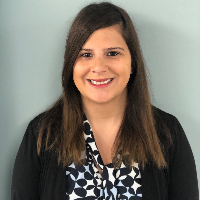
Justine Alemany
LCSW
Practical trauma-informed support for everyday life
Opens BetterHelp in a new tab, where you can review online therapy options.
- Trauma focused care
- Bilingual English Spanish
- Practical coping skills
About Justine
Her work began in school-based and inpatient settings in Massachusetts, where she supported children and adolescents with complex mental health needs and their families. Returning to Florida, she worked in outpatient and residential substance use programs for adults, focusing on recovery and trauma-related issues. Since 2019 she has spent substantial time at a Children's Advocacy Center supporting people impacted by sexual abuse, domestic violence, and other forms of trauma.
Justine uses a flexible, client-centered way of working. She blends approaches such as cognitive behavioral techniques, dialectical behavior strategies, EMDR, and motivational interviewing to match what a person needs. Sessions emphasize practical coping skills, emotion regulation, and steps people can try between meetings.
She often supports people facing life transitions, adoption and foster care concerns, caregiver stress, codependency, and impulse-control problems. She also addresses mood disorders, panic attacks, phobias, ADHD, and substance-related difficulties. Her aim is to help people build tools that fit into daily life.
Justine offers a direct, collaborative style in which treatment choices are shaped by the person's goals. Prospective clients are encouraged to ask about language options and to confirm current session arrangements before scheduling.
Areas of expertise
Primary focus
Also works with
Additional focus areas
Therapeutic approaches
Experience
6+ years
Credentials
Florida
Languages
English, Spanish
How therapeutic approaches translate to online work
Client-Centered Therapy places the person's goals and pace at the center. The therapist listens closely, reflects what is most important, and helps plan steps that fit the person's life. Cognitive Behavioral Therapy, or CBT, breaks problems into thoughts, feelings, and actions and teaches practical strategies to change patterns that cause distress. CBT can help with anxiety, panic, mood concerns, and anger by offering concrete tools for day-to-day use.Finding the right approach is part of the process. The therapist works together with each person to decide which methods make the most sense based on goals, needs, and preferences. That collaborative decision can change over time as progress is reviewed and new goals emerge.
Please confirm available session options before you book, since specific formats are not listed on the profile. Online therapy can make it easier to fit sessions into a busy schedule, reduce travel time, allow shorter check-ins when needed, and offer sessions without needing to be on camera if that is preferred. Licensed professionals can adapt exercises, coaching-style conversations, and EMDR-informed techniques to remote work when appropriate, always tailoring methods to what the person wants to focus on.
At a glance
- Listed location
- Florida
- Experience
- 6+ years
- Credentials
- LCSW
- Languages
- English, Spanish
- License (Florida)
- LCSW · No. SW 16879
- NPI
- 1700228194
As listed by the therapist. You can check a license with the state board and an NPI with the national registry.
Frequently asked questions
What kinds of concerns can be addressed here?
Services cover addictions, trauma and abuse, grief, anger, stress, anxiety, bipolar and depressive symptoms, ADHD, and related issues such as codependency or caregiver stress.
How would therapy with this clinician generally feel?
The approach is practical and client-centered, focusing on coping skills, emotion regulation, and concrete steps to try between sessions.
What is Justine Alemany's professional background?
She has six years of clinical experience working in school, inpatient adolescent, outpatient and residential substance use, and Children's Advocacy Center settings.
What credentials and region are listed for this therapist?
She is a Licensed Clinical Social Worker (LCSW) practicing in Florida.
In what languages can sessions be conducted?
Sessions are offered in English and Spanish. International clients are not currently accepted.
Which session formats are available?
Please confirm current session options before booking, as the profile does not list specific formats.
How is cost handled for sessions?
Costs vary by location and therapist availability; sessions use a subscription that can be canceled at any time.
What steps are needed to begin therapy?
Select the Start Therapy button, complete a short matching questionnaire, and schedule according to the therapist's availability.
Before you start
- Online talk therapy is not a court-ordered or mandated anger-management course, and it does not provide attendance certificates.
- Check that the location and license details above fit where you live.
- If anyone is at risk of being harmed, contact emergency services or a domestic-abuse helpline first. See the support lines for the US, UK and Australia.