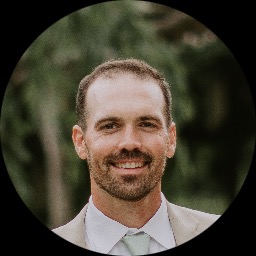
Joseph Fuller
LCSW
Practical, supportive therapy for real-life change
Opens BetterHelp in a new tab, where you can review online therapy options.
- Attachment-informed
- Skill focused
- Collaborative approach
About Joseph
He uses attachment-based and client-centered methods to build a trusting working relationship. That means sessions focus on what matters to the person sitting across from him and on how early relationship patterns show up today. He also draws on cognitive behavioral ideas and mindfulness to help people change unhelpful thinking and try new behaviors.
Joseph aims to help clients name the patterns that keep them stuck and practice different ways of responding. He encourages small experiments between sessions and checks progress together. The work can include talking through difficult memories, learning skills for emotion regulation, or setting achievable goals for daily life.
People come to Joseph for a wide range of concerns including anger, addiction, grief, trauma, sleep issues, parenting stress, career worries, and things connected to identity such as LGBT concerns. He also addresses attention differences, attachment wounds, and family problems in individual sessions.
He brings six years of clinical experience to his practice and frames therapy as a collaborative process. To begin, readers are invited to consider whether they want direct, practical support focused on making steady life changes.
Areas of expertise
Primary focus
Also works with
Additional focus areas
Therapeutic approaches
Experience
6+ years
Credentials
North Carolina
Languages
English
How his approaches guide online work
Joseph uses attachment-based and client-centered approaches alongside cognitive behavioral techniques in his practice. Attachment-based work looks at how early relationship patterns influence current reactions and helps people try new ways of relating. Client-centered work focuses on listening closely and building a strong working relationship so people feel heard and can explore their goals. Cognitive behavioral techniques look at thoughts and behaviors and offer practical tools for changing unhelpful patterns, which can help with anxiety, anger, and mood changes.Choosing an approach is a collaborative process. Joseph will work with each person to decide which ideas make the most sense based on their needs, goals, and preferences. Together they try methods and adjust as needed, checking progress over time so the plan stays useful and relevant.
If you are considering online therapy, confirm the session formats before booking since the biography does not list them. Online options can make it easier to fit sessions into a busy schedule, reduce travel time, and allow shorter check-ins when needed. They can also let people use strategies learned in therapy in the context of everyday life. Licensed professionals, including this therapist, can tailor methods so remote work still focuses on practical skill building and emotional understanding.
At a glance
- Listed location
- North Carolina
- Experience
- 6+ years
- Credentials
- LCSW
- Languages
- English
- License (North Carolina)
- LCSW · No. C014524
- NPI
- 1275107286
As listed by the therapist. You can check a license with the state board and an NPI with the national registry.
Frequently asked questions
What kinds of problems does Joseph help with?
He works with a broad range of concerns including stress, anxiety, depression, anger, addictions, relationship and intimacy issues, trauma and grief, sleep problems, parenting strain, and career worries.
What is his therapeutic style like?
Sessions emphasize a collaborative, client-centered tone. He combines attachment-based work with practical skills so people learn new ways of thinking and behaving.
How much experience does he have?
Joseph has six years of clinical experience as a licensed social worker practicing in North Carolina.
What credentials and location apply to this therapist?
He holds the credential LCSW, specifically an NC LCSW, and practices in North Carolina.
Which languages and international options are supported?
Sessions are offered in English and he is not currently accepting international clients.
What session formats are available?
The original biography does not specify session formats; please confirm current options before booking so you know how sessions are held.
How does payment and cost work?
Cost varies with location and therapist availability; sessions use a subscription model that can be canceled at any time.
How do I begin working with him?
Use the Start Therapy button, complete a short matching questionnaire, and then schedule according to the therapist's availability.
Before you start
- Online talk therapy is not a court-ordered or mandated anger-management course, and it does not provide attendance certificates.
- Check that the location and license details above fit where you live.
- If anyone is at risk of being harmed, contact emergency services or a domestic-abuse helpline first. See the support lines for the US, UK and Australia.