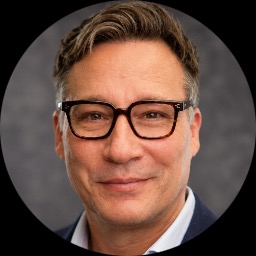
Dr. John Bucholtz
LCSW, LICSW
Experienced social worker focused on practical change
Opens BetterHelp in a new tab, where you can review online therapy options.
- 24 years experience
- Focus on anger
- Works in English
About John
In sessions he creates an open space where clients can talk about thoughts and feelings without fear of judgment. He helps people name patterns that cause pain and practice small, usable skills to change them. Conversations are direct but compassionate, with a focus on what clients want to be different in their daily life.
Dr. Bucholtz uses methods that include acceptance and commitment work, attachment perspectives, client-centered listening, cognitive-behavioral tools, and elements of dialectical behavior approaches. He adapts these methods to the person in front of him rather than following a single script. This lets him match techniques to problems like impulsivity, shame, or difficulty sleeping.
He has supported people dealing with grief, addiction, parenting strain, first responder stress, and fallout from relationship ruptures. Many referrals mention family of origin issues, communication problems, and affairs as common topics he addresses. His background across settings informs a flexible, problem-focused style.
Dr. Bucholtz practices in Texas and conducts work in English. He holds LCSW and LICSW credentials and brings a steady, experienced presence to sessions.
Areas of expertise
Primary focus
Also works with
Additional focus areas
Therapeutic approaches
Experience
24+ years
Credentials
District of Columbia, Texas
Languages
English
How his approaches shape online work
Acceptance and Commitment Therapy (ACT) focuses on noticing unhelpful thoughts and choosing actions that reflect personal values. It helps people who feel stuck by teaching flexible ways to respond to difficult feelings. Cognitive Behavioral Therapy (CBT) breaks problems into thoughts, behaviors, and feelings and uses practical exercises to change patterns that keep someone distressed. This works well for anxiety, sleep problems, and low mood. Attachment-Based Therapy looks at how early relationship patterns affect emotional responses today and can help when trust, abandonment, or communication problems are central concerns.Choosing an approach is a collaborative process. The therapist will work with each person to see which methods fit their goals and preferences, and adapt techniques as progress unfolds. Clients are invited to give feedback so sessions stay useful and focused on what matters most to them.
The biography does not list specific session formats, so please confirm current online options before booking. Many people find online work helpful because it can fit more easily into daily life, cut travel time, and make shorter check-ins possible during a busy week. Online sessions can support practicing skills between meetings and keeping momentum when life gets hectic.
At a glance
- Listed location
- Texas
- Experience
- 24+ years
- Credentials
- LCSW, LICSW
- Languages
- English
- License (District of Columbia)
- LICSW · No. LC3000846
- License (Texas)
- LCSW · No. 51731
- NPI
- 1841639218
As listed by the therapist. You can check a license with the state board and an NPI with the national registry.
Frequently asked questions
What kinds of problems does he help with?
He works with stress, anxiety, relationship strain, anger, trauma and related concerns such as depression, addictions, grief, sleeping problems, and compassion fatigue.
How would you describe his therapy style?
His approach is straightforward and compassionate, mixing acceptance and commitment ideas, attachment perspectives, client-centered listening, CBT and DBT elements to create practical steps people can use.
What is his professional background?
He brings 24 years of professional experience in clinical social work and has worked across settings that shape his flexible, problem-focused approach.
Where does he practice and what are his credentials?
He practices in Texas and holds LCSW and LICSW credentials, with licensure noted for Texas and the District of Columbia.
In which language are sessions held?
Sessions are offered in English only and international clients are not accepted at this time.
What session formats are available?
The original biography does not specify session formats; please confirm the current session options before booking.
How does payment and cost work?
Cost varies with location and therapist availability; sessions use a subscription that can be canceled at any time.
How do I begin working with him?
Select the Start Therapy button, complete the short matching questionnaire, and schedule according to the therapist's availability.
Before you start
- Online talk therapy is not a court-ordered or mandated anger-management course, and it does not provide attendance certificates.
- Check that the location and license details above fit where you live.
- If anyone is at risk of being harmed, contact emergency services or a domestic-abuse helpline first. See the support lines for the US, UK and Australia.