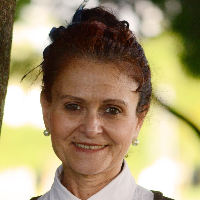
Dr. Jean Frank
LMHC
Practical therapy for strong emotions and change
Opens BetterHelp in a new tab, where you can review online therapy options.
- Focus on coping skills
- Experience across settings
- Speaks English and Portuguese
About Jean
She uses a mix of clinical approaches to match each person's needs rather than relying on a single method. Sessions often focus on building day-to-day coping skills, improving communication, and finding small steps that lead to change. She also addresses issues tied to trauma, addiction, parenting strain, and chronic health problems.
Dr. Frank trained in psychology and holds a Doctor in Biology from Universidade de Brasília and a Master of Science in Psychology from Southern Illinois University at Edwardsville. She is a Florida Licensed Mental Health Counselor - LMHC and has worked in hospitals, schools, corrections, and community mental health centers.
In sessions she aims to be empathic and non-judgmental, and she avoids directing clients toward any religion or political viewpoint. Instead, she helps people set goals that matter to them and supports steps to reach those goals. If someone is unsure what to say or whether therapy is right now, she will help make that decision with them.
Dr. Frank also speaks Portuguese in addition to English. Her approach emphasizes practical tools, emotional regulation, and collaborative planning to help people move forward.
Areas of expertise
Primary focus
Also works with
Additional focus areas
Therapeutic approaches
Experience
20+ years
Credentials
Florida
Languages
English, Portuguese
How her approaches translate to online care
Acceptance and Commitment Therapy (ACT) helps people notice unhelpful thoughts and focus on values-led action, which can be useful for managing anger and life transitions. Cognitive Behavioral Therapy (CBT) looks at patterns of thinking and behavior and teaches concrete strategies to reduce anxiety and depression. Attachment-Based Therapy addresses how early relationships shape current reactions and supports new ways of relating and regulating emotions.Choosing the right approach is a collaborative process. The therapist will talk with the client about their goals and preferences and try different techniques to see what helps. Sessions can evolve as needs change, with techniques drawn from different approaches when that makes sense.
The practical benefits of online therapy include fitting sessions into a busy day and reducing travel time. Online work can make it easier to schedule short check-ins or longer sessions around work or caregiving. Because session formats are not specified in the biography, confirm current session options before booking so you know what will work best for your routine.
At a glance
- Listed location
- Florida
- Experience
- 20+ years
- Credentials
- LMHC
- Languages
- English, Portuguese
- License (Florida)
- LMHC · No. MH10305
- NPI
- 1750904793
As listed by the therapist. You can check a license with the state board and an NPI with the national registry.
Frequently asked questions
What concerns does she help with?
She helps people facing stress, anger, anxiety, depression, trauma and abuse, addiction, grief, ADHD, eating issues, and related life changes.
What is her therapeutic style?
She blends practical methods like cognitive behavioral work with mindfulness and attachment-informed approaches to build skills and manage emotions.
How much clinical experience does she have?
She has 20 years of experience across private practice, hospitals, schools, corrections, and mental health centers.
What credentials and region are listed?
She is a Florida Licensed Mental Health Counselor (LMHC) practicing in Florida.
Which languages are offered in sessions?
Sessions are offered in English and Portuguese.
Can international clients work with her?
She does not accept international clients at this time.
How are fees and payment handled?
Cost varies with location and therapist availability, and sessions use a subscription that can be canceled at any time.
How do I begin the process?
Click the Start Therapy button, complete a short matching questionnaire, and then schedule according to therapist availability.
Before you start
- Online talk therapy is not a court-ordered or mandated anger-management course, and it does not provide attendance certificates.
- Check that the location and license details above fit where you live.
- If anyone is at risk of being harmed, contact emergency services or a domestic-abuse helpline first. See the support lines for the US, UK and Australia.