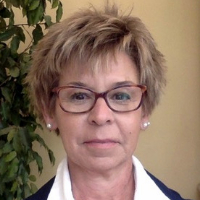
Jane Robbins
LCSW
Experienced LCSW guiding practical change
Opens BetterHelp in a new tab, where you can review online therapy options.
- 25 years experience
- Client-centered approach
- Works with anger
About Jane
She trained with a Bachelor of Psychology and a Master of Science in Social Work before building a broad counseling career that began in Memphis and included work with younger and older adults. Over the years she has supported people dealing with trauma, hospice and end-of-life concerns, caregiver strain, and long-term mental health conditions.
Jane centers therapy on building trust first. She adapts her approach to match each person's needs rather than expecting people to fit a fixed method. Sessions focus on conversation, practical skills, and small steps that people can try between meetings.
Her work draws on several approaches, including Acceptance and Commitment Therapy, cognitive behavioral techniques, dialectical skills, psychodynamic thinking, and client-centered care. These tools are used to help people notice patterns, try different responses, and move toward goals that matter to them.
Jane describes the therapeutic relationship as collaborative. She guides people to make changes they choose for themselves and to recognize progress along the way. Her style is supportive and direct, with an emphasis on finding what works in everyday life.
Areas of expertise
Primary focus
Also works with
Additional focus areas
Therapeutic approaches
Experience
25+ years
Credentials
North Carolina
Languages
English
Approaches that translate to online work
Acceptance and Commitment Therapy helps people notice thoughts and feelings without getting stuck in them, then choose actions that match their values. It can help with anger, anxiety, and making life changes. Cognitive Behavioral Therapy focuses on identifying unhelpful thoughts and trying different behaviors to change mood and reactions. It is useful for anxiety, depression, sleep and eating patterns, and coping skills. Client-Centered Therapy centers the person in the session, using empathy and reflective listening to help them explore concerns and find their own solutions.Finding the right approach is part of the work together. The therapist will listen to a person's goals and preferences and will suggest approaches to try. Decisions about methods are collaborative and can change as progress is made.
The biography does not list specific online session formats, so confirm available options before booking. Online sessions can make it easier to fit therapy into a busy day, shorten travel time, and allow for quick check-ins when needed. They also allow people to use approaches like skill practice, values-based planning, and guided reflection from wherever scheduling fits their life.
At a glance
- Listed location
- North Carolina
- Experience
- 25+ years
- Credentials
- LCSW
- Languages
- English
- License (North Carolina)
- LCSW · No. C004162
- NPI
- 1316386725
As listed by the therapist. You can check a license with the state board and an NPI with the national registry.
Frequently asked questions
What kinds of concerns does Jane address?
She supports people with stress, anxiety, anger, depression, relationship strain, grief, addictions, sleep and eating issues, ADHD, bipolar disorder, and related life challenges.
How would you describe her therapeutic style?
Jane focuses on building trust and then tailoring the approach to each person. Sessions combine conversation, practical skills, and steps to try between meetings.
What background and experience does she bring?
She has 25 years of clinical experience, with a career that began in Memphis and work across a wide range of populations and settings.
Which credentials and region are associated with this therapist?
Jane holds the Licensed Clinical Social Worker credential (LCSW) and practices in North Carolina.
Are sessions available in other languages or internationally?
Sessions are offered in English and international clients are accepted.
What formats are used for sessions?
The biography does not list specific session formats; please confirm current session options before booking.
How does cost work for sessions?
Cost varies with location and therapist arrangements; sessions use a subscription that can be canceled at any time.
How do I begin working with Jane?
Select the Start Therapy button, complete the short matching questionnaire, and schedule according to the therapist's availability.
Before you start
- Online talk therapy is not a court-ordered or mandated anger-management course, and it does not provide attendance certificates.
- Check that the location and license details above fit where you live.
- If anyone is at risk of being harmed, contact emergency services or a domestic-abuse helpline first. See the support lines for the US, UK and Australia.