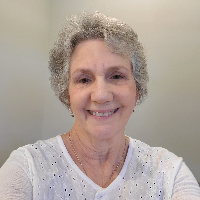
Jane Fortune
LPC
Compassionate counselor with practical guidance
Opens BetterHelp in a new tab, where you can review online therapy options.
- 20 years experience
- South Carolina LPC
- Focus on relationships
About Jane
Areas of expertise
Primary focus
Also works with
Additional focus areas
Therapeutic approaches
Experience
20+ years
Credentials
South Carolina
Languages
English
Therapeutic approaches and working online
Acceptance and Commitment Therapy (ACT) helps people notice difficult thoughts and feelings while choosing actions that match their values. It is often used for anxiety, stress, and life transitions. Cognitive Behavioral Therapy (CBT) focuses on identifying unhelpful thinking patterns and testing new behaviors to reduce symptoms like worry, low mood, and sleep disruption. Emotionally-Focused Therapy (EFT) concentrates on emotions and attachment needs to improve close relationships and intimacy. Finding the right approach is part of the work together. The therapist will talk with clients about goals, preferences, and what feels most useful. They will try methods that match the person's situation and adjust what they do as progress is made. The biography does not list specific online session formats, so confirm the available options before booking. Online therapy can make it easier to fit sessions into a busy week, cut travel time, or use shorter check-ins when schedules are tight. It can also allow people to schedule sessions around work, caregiving, or health needs. Discussing practical details when you first connect will clarify how sessions will be arranged and what to expect.At a glance
- Listed location
- South Carolina
- Experience
- 20+ years
- Credentials
- LPC
- Languages
- English
- License (South Carolina)
- LPC · No. 4937
- NPI
- 1689859100
As listed by the therapist. You can check a license with the state board and an NPI with the national registry.
Frequently asked questions
What concerns does she help with?
She works with stress, anxiety, anger, depression, sleep problems, relationship issues, grief, addictions, and similar life struggles.
How would you describe her therapy style?
Her style is collaborative and down-to-earth. She listens first, then helps set small goals and practical steps.
What is her experience background?
She has 20 years of clinical experience, including 13 years in private practice and earlier work with families, couples, and individuals.
What credentials and region are listed?
She is a Licensed Professional Counselor (LPC) practicing in South Carolina.
Which languages are supported and can she see international clients?
Sessions are offered in English. She is not accepting international clients.
What session formats are available?
The biography does not specify current session formats; confirm the available formats before booking to be sure they meet your needs.
How does cost and payment work?
Cost varies with location and therapist availability, and sessions use a subscription that can be canceled at any time.
What are the first steps to begin therapy?
Click the Start Therapy button, complete the short matching questionnaire, and then schedule according to the therapist's availability.
Before you start
- Online talk therapy is not a court-ordered or mandated anger-management course, and it does not provide attendance certificates.
- Check that the location and license details above fit where you live.
- If anyone is at risk of being harmed, contact emergency services or a domestic-abuse helpline first. See the support lines for the US, UK and Australia.