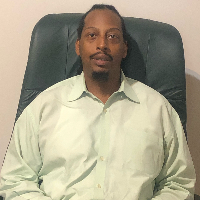
James Milner
LCSW, CSW
Compassionate clinician for adults facing anger
Opens BetterHelp in a new tab, where you can review online therapy options.
- Practical coping tools
- Values-based focus
- Spiritual sensitivity
About James
He draws on 11 years of clinical experience and a longer career in community services and program leadership. That background includes managing supportive housing and substance-related programs, and running a private practice called S.H.A.N.T.I Psychotherapy, LLC. He has also provided counseling at a university counseling center and overseen transitional housing programs in Atlanta-area settings.
James blends several approaches instead of a single method. He uses Acceptance and Commitment Therapy, Cognitive Behavioral Therapy, Dialectical Behavior Therapy, client-centered techniques, hypnotherapy, and mindfulness methods when they fit a person’s needs. Spiritual and transpersonal ideas are included when clients prefer to explore them.
He also holds roles outside clinical work: he is an ordained Baptist minister who serves as an assistant pastor and lead pastoral counselor, and he teaches meditation, Reiki, and yoga practices. Those interests shape how he talks about resilience, meaning, and coping skills.
Sessions are aimed at helping adults understand patterns, learn concrete skills, and manage emotional reactions such as anger or grief. People who want a blend of practical coping tools and attention to values and meaning may find this approach helpful.
Areas of expertise
Primary focus
Also works with
Additional focus areas
Therapeutic approaches
Experience
11+ years
Credentials
Georgia
Languages
English
Approaches that translate well to online work
Acceptance and Commitment Therapy (ACT) helps people clarify what matters to them and take small committed steps in that direction. It focuses on values, present-moment awareness, and practical behavior change that often fits into daily life. Cognitive Behavioral Therapy (CBT) targets unhelpful thinking and behavior patterns with concrete skills and homework. It aims to reduce symptoms by changing thoughts and routines. Dialectical Behavior Therapy (DBT) offers skills for managing intense emotions and improving interpersonal effectiveness, with a strong focus on emotion regulation and coping strategies.Finding the right approach is a collaborative process. The therapist will discuss your concerns, goals, and preferences and then choose techniques that fit your situation. That plan can adapt over time as progress and needs change.
The biography does not list specific online formats, so confirm available session types before booking. In general, online work can make it easier to fit therapy into busy schedules, shorten travel time, and allow flexible check-ins during breaks. Some methods, like CBT and ACT, translate well to remote sessions because they rely on conversation, structured exercises, and take-home practice. Therapists can also use mindfulness and guided imagery practices during remote meetings. Ask about the session options offered so you can pick what works best for your routine.
At a glance
- Listed location
- Georgia
- Experience
- 11+ years
- Credentials
- LCSW, CSW
- Languages
- English
- License (Georgia)
- LCSW · No. CSW004725
- NPI
- 1609129188
As listed by the therapist. You can check a license with the state board and an NPI with the national registry.
Frequently asked questions
What concerns does James commonly address?
He works with adults on issues like anger, stress, anxiety, trauma and abuse, depression, addictions, relationship and family problems, grief, self-esteem, career strain, bipolar mood concerns, and coping with life changes.
What is his therapeutic style like?
Sessions are collaborative and practical. He mixes skills training and talk therapy with attention to values and meaning based on each person’s goals.
What experience does he bring to therapy?
James has 11 years of clinical practice and a longer history working in community mental health, housing programs, and a private practice setting.
What credentials and location are listed?
He holds LCSW and CSW credentials and practices in Georgia.
In which languages are sessions offered?
Sessions are offered in English.
How are sessions delivered?
The original biography does not specify session formats, so please confirm current session options with the provider before booking.
How is cost handled?
Cost varies by location and therapist arrangements; sessions use a subscription model that can be canceled at any time.
How do I begin working with him?
Click the Start Therapy button, complete a short matching questionnaire, and schedule a session according to the therapist's availability.
Before you start
- Online talk therapy is not a court-ordered or mandated anger-management course, and it does not provide attendance certificates.
- Check that the location and license details above fit where you live.
- If anyone is at risk of being harmed, contact emergency services or a domestic-abuse helpline first. See the support lines for the US, UK and Australia.