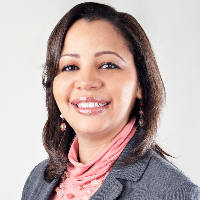
Hope Holman
LCSW
Compassionate care for anger and life stress
Opens BetterHelp in a new tab, where you can review online therapy options.
- Warm and supportive
- Skill focused
- Goal oriented
About Hope
Hope brings ten years of experience in mental health and holds a Master of Social Work from Saint Leo University. She draws on practical methods to help people notice unhelpful patterns and try new ways of responding. Her sessions blend gentle direction with space to be heard.
Her approach combines Cognitive Behavioral Therapy and Client-Centered Therapy with elements of Acceptance and Commitment Therapy and mindfulness. Hope uses tools to help people manage intense feelings, reframe thoughts, and set doable goals. Motivational Interviewing helps when people want change but feel stuck.
Hope’s style is encouraging and nonjudgmental. She helps people break problems into small steps and practices concrete skills between sessions. Therapy is framed as a joint effort where the person’s goals guide the work.
She has experience supporting people through trauma, relationship conflict, parenting challenges, adoption and foster care concerns, body image struggles, and ADHD-related difficulties. Hope seeks to meet each person where they are and help them take the next right step.
Areas of expertise
Primary focus
Also works with
Additional focus areas
Therapeutic approaches
Experience
10+ years
Credentials
Virginia
Languages
English
Therapeutic approaches and how they translate online
Hope uses Cognitive Behavioral Therapy to help people identify and change unhelpful thought and behavior patterns. CBT is practical and focuses on skills that can be practiced between sessions, which often makes progress feel measurable and concrete.She also draws on Client-Centered Therapy, offering a supportive, nonjudgmental listening space. This approach emphasizes understanding the person’s experience and working at their pace to build trust and clarity.
Finding the right approach is part of the work. The therapist collaborates with each person to choose methods that match their goals and preferences. Sessions may mix approaches so people learn coping skills, try new behaviors, and reflect on what matters most to them.
Confirm the available session formats before booking so you know how meetings are scheduled. Online therapy can make it easier to fit appointments into a busy life, reduce travel time, and allow follow-up work between meetings. Discuss scheduling needs and practical preferences when you first connect to make sessions fit your routine.
At a glance
- Listed location
- Virginia
- Experience
- 10+ years
- Credentials
- LCSW
- Languages
- English
- License (Virginia)
- LCSW · No. 0904011440
- NPI
- 1215569892
As listed by the therapist. You can check a license with the state board and an NPI with the national registry.
Frequently asked questions
What concerns does Hope commonly address?
She helps with anger, stress, anxiety, depression, trauma and relationship problems, plus parenting, grief, and life transitions.
What is her general approach in sessions?
Sessions are warm and nonjudgmental and focus on practical skills. She blends cognitive-behavioral techniques with client-centered listening and mindfulness practices.
How much experience does she have?
She has ten years of experience in the mental health field and a Master of Social Work from Saint Leo University.
What credentials and location are listed for this therapist?
She is a LCSW licensed in Virginia and practices from that state.
Which languages are supported and are international clients accepted?
Sessions are offered in English and international clients are not currently accepted.
What session formats are offered?
Confirm current session options before booking to know which formats are available with this therapist.
How are session costs handled?
Cost varies with location and therapist availability; sessions use a subscription that can be canceled at any time.
How do I begin working with Hope?
Click the Start Therapy button, complete a short matching questionnaire, and schedule based on the therapist's availability.
Before you start
- Online talk therapy is not a court-ordered or mandated anger-management course, and it does not provide attendance certificates.
- Check that the location and license details above fit where you live.
- If anyone is at risk of being harmed, contact emergency services or a domestic-abuse helpline first. See the support lines for the US, UK and Australia.