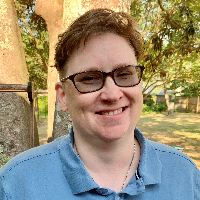
Heather Scarboro
LCMHC
Calm guidance for intense emotions
Opens BetterHelp in a new tab, where you can review online therapy options.
- LCMHC counselor
- Ten years experience
- Works with anger
About Heather
Heather brings ten years of clinical experience to sessions. She uses straightforward, team-based collaboration with each person to set goals and try different ways of coping. Her background includes working in elder care, community mental health, and university settings, as well as with frontline workers and LGBTQIAP+ communities.
Her approach draws from client-centered work, dialectical behavior therapy (DBT), emotionally-focused therapy (EFT), existential ideas, and eye movement desensitization and reprocessing (EMDR). Heather combines talk-based strategies with mindfulness, expressive arts, and clinical hypnosis techniques to match what a person needs in the moment.
Heather also speaks from lived experience with dissociative disorders and has advocated for accurate public information about those diagnoses. Outside of clinical work she engages in music, songwriting, and dance, and shares education through blogs, podcasts, and presentations.
People who want practical tools, calm feedback, and an empathic guide for intense emotions will find Heather’s style down-to-earth. Before scheduling, confirm current session options to make sure they fit your needs.
Areas of expertise
Primary focus
Also works with
Additional focus areas
Therapeutic approaches
Experience
10+ years
Credentials
North Carolina
Languages
English
How therapeutic approaches shape online work
Client-centered therapy focuses on the person’s own goals and experience. It means the therapist listens closely and follows what matters most to the client, helping them find their own answers and build coping skills.Dialectical behavior therapy, or DBT, teaches concrete skills for handling strong emotions, improving relationships, and tolerating distress. It is often used when anger, impulsivity, or emotion regulation are central concerns.
Eye movement desensitization and reprocessing, EMDR, supports people working through traumatic memories by combining focused attention with guided sets of stimulation. It can help reduce the intensity of troubling memories and the distress they cause.
Finding the right approach is part of the work. Heather will collaborate with each person to choose methods that fit their needs, goals, and preferences. That may mean trying DBT skills for emotion regulation, doing client-centered conversations for problem-solving, or using EMDR when trauma work is appropriate.
Online therapy can make it easier to fit sessions into a busy life, like fitting meetings around work or childcare. It can allow for shorter check-ins when needed, or longer sessions when deeper processing is helpful. Because the biography does not specify session formats, confirm current online options before scheduling to ensure they match your routine and preferences.
At a glance
- Listed location
- North Carolina
- Experience
- 10+ years
- Credentials
- LCMHC
- Languages
- English
- License (North Carolina)
- LCMHC · No. 10893
- NPI
- 1255734851
As listed by the therapist. You can check a license with the state board and an NPI with the national registry.
Frequently asked questions
What concerns does Heather commonly help with?
She works with a wide range of issues including anger, stress, anxiety, addictions, trauma and abuse, depression, relationship and intimacy-related concerns, grief, self-esteem, ADHD, bipolar disorder, and career or life change stress.
What is Heather’s therapeutic style like?
Her style is collaborative and practical, drawing on client-centered work, DBT, EFT, existential ideas, EMDR, mindfulness, expressive arts, and clinical hypnosis to find what helps each person.
How much clinical experience does she have?
Heather has ten years of clinical experience and has worked in elder care, community mental health, university settings, and with frontline workers and LGBTQIAP+ communities.
What credentials and region are listed?
She is a licensed clinical mental health counselor (LCMHC) practicing in North Carolina.
Which languages are supported for sessions?
Sessions are offered in English, and Heather accepts clients internationally.
What session formats are available?
The original biography does not list specific session formats. Please confirm current session options before booking.
How does cost and billing work?
Costs vary with location and therapist availability; sessions use a subscription that can be canceled at any time.
How do I begin working with Heather?
To get started, select the Start Therapy button, complete a short matching questionnaire, and schedule according to the therapist’s availability.
Before you start
- Online talk therapy is not a court-ordered or mandated anger-management course, and it does not provide attendance certificates.
- Check that the location and license details above fit where you live.
- If anyone is at risk of being harmed, contact emergency services or a domestic-abuse helpline first. See the support lines for the US, UK and Australia.