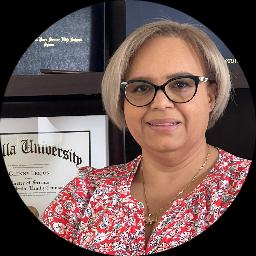
Glenny Trejos
LMHC
Calm, practical support for everyday emotional challenges
Opens BetterHelp in a new tab, where you can review online therapy options.
- LMHC in Florida
- Speaks English and Spanish
- Focus on practical skills
About Glenny
She uses a mix of well-known therapy methods to match what each person needs. Sessions emphasize listening, teamwork, and tools people can try between meetings. Glenny helps clients sort priorities, reduce overwhelming feelings, and practice new ways of handling conflict and emotional pain.
Her background includes roles that involve supervising clinicians and working on complex cases. That experience informs how she structures sessions and supports people through longer challenges like grief, addiction, or major life change. She keeps explanations straightforward so people understand each step of the work.
Clients can expect a collaborative tone in sessions. The therapist sets clear goals, teaches practical skills, and checks progress regularly. Whether someone needs help with parenting stress, career changes, or managing intense emotions like anger, the focus is on usable strategies and steady progress.
Glenny maintains professional standards in Florida as an LMHC and offers services in both English and Spanish. Prospective clients should confirm current session options and scheduling details before booking.
Areas of expertise
Primary focus
Also works with
Additional focus areas
Therapeutic approaches
Experience
6+ years
Credentials
Florida
Languages
English, Spanish
How these approaches guide online therapy
Client-Centered Therapy focuses on listening and reflecting what matters to the person. It helps people feel heard and supports self-directed progress toward their goals. Cognitive Behavioral Therapy (CBT) looks at the link between thoughts, feelings, and actions and teaches practical exercises to reduce anxiety, depression, and unhelpful behavior. Dialectical Behavior Therapy (DBT) adds skills for managing intense emotions, improving distress tolerance, and handling relationship conflict.Finding the best approach is a collaborative process. The therapist will talk with the client about goals, preferences, and what has worked in the past. Together they will try methods that fit the person's needs and adjust the plan as progress is reviewed.
Please confirm current session formats and scheduling options before booking, since session formats are not detailed here. Online therapy can make it easier to fit sessions into a busy life - for example by avoiding travel, allowing shorter check-ins during work breaks, or reducing the need for high-bandwidth connections. Licensed professionals can use these approaches remotely to teach skills, set short-term goals, and practice new ways of responding to stress and anger.
At a glance
- Listed location
- Florida
- Experience
- 6+ years
- Credentials
- LMHC
- Languages
- English, Spanish
- License (Florida)
- LMHC · No. MH20590
- NPI
- 1609516210
As listed by the therapist. You can check a license with the state board and an NPI with the national registry.
Frequently asked questions
What concerns does Glenny help with?
She works with stress, anxiety, depression, trauma and abuse, relationship and intimacy issues, anger, addictions, grief, parenting strain, ADHD, and related concerns.
What is her therapeutic style like?
She practices in a straightforward, collaborative way that focuses on listening and teaching practical skills clients can use between sessions.
How much clinical experience does she have?
She holds the LMHC credential and has six years of experience as an LMHC working in Florida.
Where is she based and licensed?
She is licensed as an LMHC in Florida and provides services from that state.
Which languages are supported in sessions?
Sessions are offered in English and Spanish.
Are international clients accepted?
International clients are not currently accepted.
How are sessions priced?
Cost varies with location and therapist availability; sessions use a subscription that can be canceled at any time.
How do I begin working with her?
Select the Start Therapy button, complete a short matching questionnaire, and schedule according to therapist availability.
Before you start
- Online talk therapy is not a court-ordered or mandated anger-management course, and it does not provide attendance certificates.
- Check that the location and license details above fit where you live.
- If anyone is at risk of being harmed, contact emergency services or a domestic-abuse helpline first. See the support lines for the US, UK and Australia.