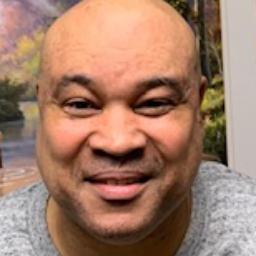
Giovanni Bass
LCSW
Compassionate LCSW helping manage anger and stress
Opens BetterHelp in a new tab, where you can review online therapy options.
- Anger management
- Relationship work
- Spiritual integration
About Giovanni
Areas of expertise
Primary focus
Also works with
Additional focus areas
Therapeutic approaches
Experience
14+ years
Credentials
North Carolina, Arizona, Nevada, California
Languages
English
How these approaches translate to online work
Acceptance and Commitment Therapy (ACT) emphasizes noticing thoughts and choosing actions that match your values. It helps people who feel stuck in unhelpful thinking and who want a clearer sense of purpose. Cognitive Behavioral Therapy (CBT) looks at the links between thoughts, feelings, and behavior and teaches practical skills for changing unhelpful patterns. It can be useful for anger, anxiety, and sleep problems. Emotionally-Focused Therapy (EFT) focuses on understanding emotions and improving connection in close relationships, helping people express and respond to strong feelings in healthier ways.Finding the right approach is part of therapy. The therapist will work together with each person to decide which methods fit their goals and preferences. That plan can shift as work progresses, with new exercises or focuses added when they make sense.
Session formats are not listed in the original biography, so confirm current options before booking. Online work can make it easier to fit therapy into a busy life - for example, shorter check-ins can fit into a lunch break, phone calls require less bandwidth, and remote sessions remove travel time. Licensed professionals can adapt ACT, CBT, and EFT tools to online conversations so the work stays practical and goal-oriented.
At a glance
- Listed location
- North Carolina
- Experience
- 14+ years
- Credentials
- LCSW
- Languages
- English
- License (North Carolina)
- LCSW · No. C008797
- License (Arizona)
- LCSW · No. LCSW-21903
- License (Nevada)
- LCSW · No. 11322-C
- License (California)
- LCSW · No. 121844
- NPI
- 1336543867
As listed by the therapist. You can check a license with the state board and an NPI with the national registry.
Frequently asked questions
What types of concerns does he address?
He supports people dealing with anger, stress, anxiety, depression, trauma and abuse, addictions, grief, intimacy issues, sleep problems, self-esteem, and coping with life changes.
What is his style in session?
Sessions focus on practical steps and clearer communication. He helps clients notice patterns, practice new responses, and test changes between meetings.
How much clinical experience does he have?
He has 14 years of experience as a clinician and has worked with people in multiple regions over his career.
What credentials and location are listed?
He is a Licensed Clinical Social Worker, LCSW, with practice based in North Carolina and holds CA LCSW and AZ LCSW credentials.
In which languages can sessions be held?
Sessions are offered in English.
Are international clients supported?
He is not currently accepting international clients.
How are sessions priced?
Cost varies with location and therapist availability; sessions use a subscription that can be canceled at any time.
How do I begin working with him?
Select the Start Therapy button, complete a short matching questionnaire, and schedule according to the therapist's availability.
Before you start
- Online talk therapy is not a court-ordered or mandated anger-management course, and it does not provide attendance certificates.
- Check that the location and license details above fit where you live.
- If anyone is at risk of being harmed, contact emergency services or a domestic-abuse helpline first. See the support lines for the US, UK and Australia.