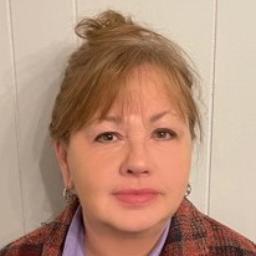
Gina Porter
LCSW
Compassionate support for strong emotions
Opens BetterHelp in a new tab, where you can review online therapy options.
- Experienced LCSW
- Practical coping skills
- Anger and stress focus
About Gina
Her approach starts with understanding what led to current struggles. She listens for patterns from family of origin, past trauma, and coping habits that may no longer help. From there she and the person set practical goals and try approaches that match the situation and personality.
Gina uses a mix of methods that include cognitive behavioral therapy, dialectical behavior therapy, mindfulness, motivational interviewing, and solution-focused work. Those tools are used to build new coping skills, reduce stress, and improve mood. Sessions focus on small, achievable steps that add up over time.
She has worked across inpatient and outpatient mental health, substance abuse services, and private practice. That variety informs how she tailors care for someone facing depression, bipolar challenges, or substance-related concerns. Gina emphasizes collaboration, helping people recognize strengths and practice new strategies between sessions.
People seeking help with parenting stress, postpartum concerns, codependency, eating issues, or seasonal mood shifts can expect direct, practical support. Gina practices in Alabama and conducts sessions in English.
Areas of expertise
Primary focus
Also works with
Additional focus areas
Therapeutic approaches
Experience
23+ years
Credentials
Tennessee, Alabama, Texas, Arkansas
Languages
English
How Gina’s Approaches Translate to Online Care
Gina commonly draws on cognitive behavioral therapy and mindfulness practices when working with stress, anxiety, anger, and mood concerns. CBT focuses on identifying unhelpful thoughts and trying new actions to change feelings and behavior. Mindfulness therapy teaches simple attention and breathing practices to reduce reactivity and improve sleep and focus.She also uses elements of dialectical behavior therapy to teach skills for managing intense emotions and improving interpersonal effectiveness. That work emphasizes step-by-step skill building and practice in daily life. The therapist works collaboratively to decide which methods fit each person's goals and comfort level.
Many people find online sessions helpful for fitting therapy into a busy life, such as scheduling during a lunch break or avoiding travel time. Because session formats are not specified in the biography, confirm current options before booking to know what is offered. The focus online or in person is the same - learning skills, practicing them between meetings, and tracking small changes over time.
At a glance
- Listed location
- Alabama
- Experience
- 23+ years
- Credentials
- LCSW
- Languages
- English
- License (Tennessee)
- LCSW · No. 7355
- License (Alabama)
- LICSW · No. 2178C
- License (Texas)
- LCSW · No. 108195
- License (Arkansas)
- LCSW · No. 12246-C
- NPI
- 1588891923
As listed by the therapist. You can check a license with the state board and an NPI with the national registry.
Frequently asked questions
What kinds of concerns does Gina address?
She works with stress, anxiety, anger, depression, trauma and abuse, addictions, sleeping problems, grief, parenting strain, self-esteem, career concerns, bipolar disorder, and coping with life changes. Additional focus areas include codependency, drug and alcohol addiction, eating and food-related issues, family of origin problems, postpartum depression, and seasonal affective disorder.
How would you describe her therapeutic style?
She uses a practical, collaborative style that adapts to each person. Sessions focus on listening, setting manageable goals, and practicing new coping skills between meetings.
What is her clinical background and experience?
Gina has 23 years of clinical experience across inpatient and outpatient mental health, substance abuse settings, and private practice. That background informs care for a range of emotional and addiction-related concerns.
What credentials does she hold and where does she practice?
She is an LCSW licensed in Tennessee and Texas and practices in Alabama.
Which languages are supported and can international clients work together?
Sessions are offered in English. International clients are not currently accepted.
What session formats are offered?
Please confirm current session options before booking, as formats are not specified in the biography. The therapist or service can clarify whether sessions are offered online, by phone, or in person.
How are sessions priced or paid for?
Cost varies with location and therapist availability; sessions use a subscription that can be canceled at any time.
How do I get started with therapy?
Click the Start Therapy button, complete a short matching questionnaire, and schedule according to the therapist's availability.
Before you start
- Online talk therapy is not a court-ordered or mandated anger-management course, and it does not provide attendance certificates.
- Check that the location and license details above fit where you live.
- If anyone is at risk of being harmed, contact emergency services or a domestic-abuse helpline first. See the support lines for the US, UK and Australia.