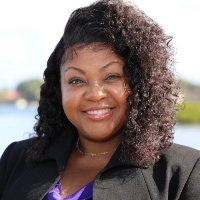
Genee Tinsley
LMHC
Compassionate counselor focused on practical change
Opens BetterHelp in a new tab, where you can review online therapy options.
- Client-centered care
- Practical coping skills
- Mindfulness informed
About Genee
Her method adapts to each person. Genee mixes client-centered listening with practical tools from cognitive behavioral therapy and dialectical behavior therapy. She also uses existential and mindfulness approaches when they fit a person’s goals. Sessions focus on clear steps a person can try between meetings and on building real-life coping skills.
Genee has worked across a wide range of concerns, including parenting stress, adoption and foster care issues, impulsivity, obsessive-compulsive concerns, and problems with communication and control. She respects differences in identity, and supports LGBTQ people without judgment. Her style avoids labels and centers the person’s experience.
In sessions she keeps things interactive and straightforward. Conversations lead to small, manageable goals and practical strategies for daily life. People are encouraged to notice progress and adjust plans based on what actually helps.
To begin, she asks people to describe their main worries and what they hope to change. From there she tailors a plan and works collaboratively to reach those goals.
Areas of expertise
Primary focus
Also works with
Additional focus areas
Therapeutic approaches
Experience
9+ years
Credentials
Florida
Languages
English
How therapy approaches translate to online work
Client-centered therapy focuses on listening and following the person’s lead. The therapist creates space to hear what matters most and helps shape goals based on each person’s priorities. Cognitive behavioral therapy (CBT) uses short, practical exercises to change unhelpful thoughts and behaviors; it often includes simple homework to try between sessions. Dialectical behavior therapy (DBT) brings skills for managing strong emotions and improving how someone copes with stress and relationships.Choosing the right approach is a team effort. The therapist will talk with the person about goals, needs, and what feels most useful. Together they try methods, check what works, and adjust the plan as progress is noticed.
The original biography does not list specific session formats, so confirm current online options before booking. Online work can make it easier to fit sessions into a busy week, shorten travel time, and allow check-ins during breaks at work or home. Some approaches lend themselves to short skill-practice exercises that fit well into online sessions, and therapists can assign brief between-session tasks that are simple to complete in daily life.
At a glance
- Listed location
- Florida
- Experience
- 9+ years
- Credentials
- LMHC
- Languages
- English
- License (Florida)
- LMHC · No. MH16153
- NPI
- 1225516115
As listed by the therapist. You can check a license with the state board and an NPI with the national registry.
Frequently asked questions
What concerns does Genee commonly help with?
She helps people address stress, anger, anxiety, depression, addiction, trauma and abuse, relationship and intimacy issues, parenting and family concerns, ADHD, and mood disorders.
What is her therapeutic style like?
Her style is warm and interactive. She combines client-centered listening with practical approaches like CBT and DBT and brings in mindfulness and existential ideas as needed.
How much clinical experience does she have?
She has nine years of experience working as a psychotherapist with people facing a broad range of mental health concerns.
What credentials and location are listed?
She holds the LMHC credential and practices in Florida as a Florida LMHC.
Which languages are supported for sessions?
Sessions are offered in English and international clients are not currently accepted.
What session formats are offered?
The original biography does not specify session formats; please confirm current session options before booking.
How does cost work for sessions?
Cost varies with location and therapist availability; sessions use a subscription that can be canceled at any time.
How do I get started with this therapist?
Click the Start Therapy button, complete a short matching questionnaire, and then schedule according to the therapist's availability.
Before you start
- Online talk therapy is not a court-ordered or mandated anger-management course, and it does not provide attendance certificates.
- Check that the location and license details above fit where you live.
- If anyone is at risk of being harmed, contact emergency services or a domestic-abuse helpline first. See the support lines for the US, UK and Australia.