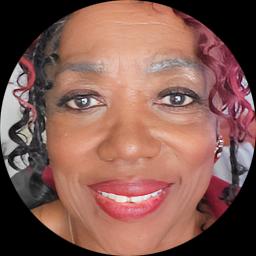
Frankye Johnson
LCSW, LMFT
Experienced Indiana therapist for life changes
Opens BetterHelp in a new tab, where you can review online therapy options.
About Frankye
Her style is direct and compassionate. She builds an open, nonjudgmental space where clients can say what they think and feel. Sessions emphasize practical steps and honest conversation rather than long academic explanations.
Frankye uses methods that help people test new ways of thinking and behaving. She helps break big problems into small, doable steps. This approach aims to reduce overwhelm and create clearer next moves for daily life.
She draws on many years of experience to tailor the work to each person. That can mean focusing on thinking patterns one session and on problem-solving the next. The rhythm is chosen with the client's goals in mind.
Clients who benefit most are those ready to try new strategies and practice them between meetings. Frankye acknowledges cultural background as part of the work and invites open discussion about how identity affects stress, relationships, and life choices.
Areas of expertise
Primary focus
Also works with
Additional focus areas
Therapeutic approaches
Experience
40+ years
Credentials
Indiana, Indiana, Indiana
Languages
English
Using approach to guide online work
Client-Centered Therapy focuses on listening and understanding the client's perspective. It emphasizes empathy and support so people can find their own solutions and speak openly about feelings and identity.Cognitive Behavioral Therapy, or CBT, looks at how thoughts influence behavior. It helps people notice unhelpful thinking patterns and try new behaviors to reduce anxiety, low mood, and anger in daily life.
Finding the right approach is part of the work together. The therapist will discuss goals, preferences, and what feels useful, then adapt methods over time. That collaborative decision-making helps match techniques to the person's needs and pace.
For practical matters, confirm the current session options before booking. Online work can make it easier to fit sessions into a busy week, allow shorter check-ins when needed, and reduce travel time. It can also let clients pace cameras or choose simpler audio sessions if that helps them focus on the conversation.
At a glance
- Listed location
- Indiana
- Experience
- 40+ years
- Credentials
- LCSW, LMFT
- Languages
- English
- License (Indiana)
- LCSW · No. 34000480A
- License (Indiana)
- LMFT · No. 35001227A
- License (Indiana)
- LMHC · No. 39000994A
- NPI
- 1801085717
As listed by the therapist. You can check a license with the state board and an NPI with the national registry.
Frequently asked questions
What kinds of problems does Frankye help with?
She works with stress, anxiety, depression, grief, anger, self-esteem, relationship difficulties, career and life changes, and related concerns such as codependency, caregiver stress, and isolation.
How would you describe her therapy style?
Her approach is straightforward and compassionate. She creates a nonjudgmental space and focuses on practical steps clients can try between sessions.
What experience does she bring?
Frankye has 40 years of professional clinical work experience in a range of settings and brings that background to her current practice.
What credentials and location are listed?
She is licensed as an LCSW and an LMFT and practices in Indiana.
In which languages can you work with her?
Sessions are offered in English.
Can people outside the United States schedule with her?
International clients are not currently accepted.
How are fees handled?
Cost varies with location and therapist arrangements; sessions use a subscription that can be canceled at any time.
What steps are needed to begin therapy?
Use the Start Therapy button, complete the short matching questionnaire, and schedule sessions based on the therapist's availability.
Before you start
- Online talk therapy is not a court-ordered or mandated anger-management course, and it does not provide attendance certificates.
- Check that the location and license details above fit where you live.
- If anyone is at risk of being harmed, contact emergency services or a domestic-abuse helpline first. See the support lines for the US, UK and Australia.