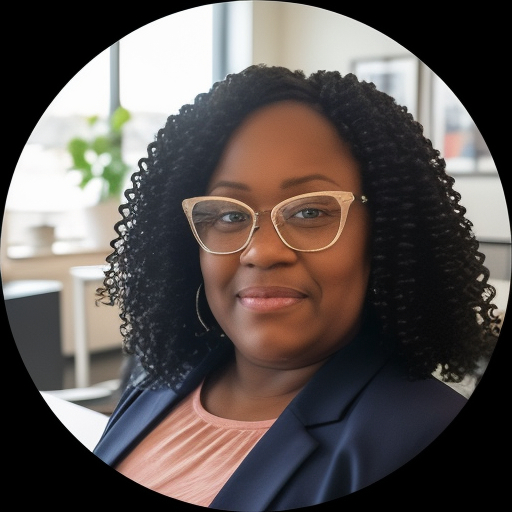
Felisha Tillman
LPC-MHSP
Compassionate, structured care for emotional recovery
Opens BetterHelp in a new tab, where you can review online therapy options.
- Warm direct style
- Practical coping skills
- Trauma-responsive care
About Felisha
Her style balances structure with compassion. Sessions look at patterns that keep someone in survival mode and teach practical skills for coping and communicating. She combines tools from cognitive behavioral approaches, dialectical behavior ideas, acceptance and commitment work, and emotionally focused methods.
Felisha emphasizes emotional safety, cultural humility, and a non-judgmental relationship. She sets clear goals and tracks measurable progress so people know how therapy is helping. The therapist also offers trauma-responsive care and space to process difficult experiences at a pace that fits each person.
Her background includes eight years in community mental health, crisis intervention, and integrated behavioral health settings. That experience informs a pragmatic approach to symptoms like panic, numbness, grief, and problems with impulse control.
In sessions clients learn skills to regulate their nervous system, set healthier boundaries, and improve communication. The work aims to move people from surviving day-to-day to living with more clarity, purpose, and emotional resilience. To begin, a person can complete the initial matching steps and schedule according to availability.
Areas of expertise
Primary focus
Additional focus areas
Therapeutic approaches
Experience
8+ years
Credentials
Tennessee
Languages
English
Approaches used in online therapy and how they help
Acceptance and Commitment Therapy (ACT) focuses on helping people notice difficult thoughts and feelings without getting stuck in them. It supports values-based action so someone can move toward a life they care about despite painful emotions. Cognitive Behavioral Therapy (CBT) looks at the links between thoughts, feelings, and behaviors to build practical tools for anxiety, depression, and unhelpful thinking patterns. Dialectical Behavior Therapy (DBT) offers skills for emotion regulation, distress tolerance, and clearer communication when impulsivity or intense reactions are a problem.Finding the right approach is part of the work. The therapist will collaborate with each person to pick methods that match their needs, goals, and preferences. This is a joint process that may combine elements from different approaches over time.
Practical benefits of online therapy include easier fit into a busy schedule and fewer barriers to getting consistent care. Online sessions can make it simpler to keep appointments during work breaks, on caregiving days, or when travel is difficult. Because formats are not listed here, confirm the specific session options before booking so they match your routine and needs.
At a glance
- Listed location
- Tennessee
- Experience
- 8+ years
- Credentials
- LPC-MHSP
- Languages
- English
- License (Tennessee)
- LPC-MHSP · No. 7703
- NPI
- 1194533877
As listed by the therapist. You can check a license with the state board and an NPI with the national registry.
Frequently asked questions
What concerns does Felisha help with?
She supports people dealing with stress, anxiety, trauma and abuse, anger, self-esteem issues, and depression, plus related concerns like grief, substance use, and communication problems.
How would you describe her therapeutic style?
The approach is warm and direct, structured yet compassionate, with an emphasis on emotional safety and clear, measurable goals.
What is her experience in the field?
She has eight years of clinical experience, including work in community mental health, crisis intervention, and integrated behavioral health settings.
What credentials and location are listed?
The clinician is a Licensed Professional Counselor–Mental Health Service Provider (LPC-MHSP) practicing in Tennessee.
Which languages are supported and can international clients book?
Sessions are offered in English. International clients are not currently accepted.
What session formats are offered?
Session formats are not specified here; please confirm current session options with the platform before scheduling.
How is cost handled for sessions?
Cost varies with location and therapist availability, and therapy uses a subscription that can be canceled at any time.
How do I begin working with her?
Select the Start Therapy button, complete a short matching questionnaire, and then schedule sessions according to therapist availability.
Before you start
- Online talk therapy is not a court-ordered or mandated anger-management course, and it does not provide attendance certificates.
- Check that the location and license details above fit where you live.
- If anyone is at risk of being harmed, contact emergency services or a domestic-abuse helpline first. See the support lines for the US, UK and Australia.