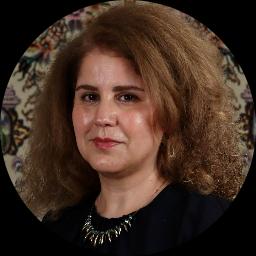
Fatemeh Mokri
BACP
Caring counsellor for stress and relationships
Opens BetterHelp in a new tab, where you can review online therapy options.
- Warm conversational style
- Practical coping steps
- Speaks English and Persian
About Fatemeh
She aims to create a warm, welcoming space where people can talk through their concerns. Fatemeh believes that reflecting on problems and telling your story can bring clearer perspective and gradual change. Her approach is adaptable and built around each person’s needs and goals.
Fatemeh works at a university counselling practice and also teaches counselling and psychotherapy part time. Her practice includes assessment work and client support within evidence‑based services, and she has five years of professional experience overall. She holds BACP accreditation, which is listed as her credential.
In sessions she focuses on practical conversation and reflection. She listens for patterns, helps identify unhelpful thoughts, and supports steps towards clearer thinking and calmer reactions. Practical strategies and gentle challenges are used as needed, always tailored to the person in front of her.
She encourages people who feel daunted by therapy to take a first step. Fatemeh aims to meet clients with sensitivity and compassion and to work collaboratively on achievable goals. If someone wants help understanding their feelings or managing intense reactions, she offers steady, empathetic support.
Areas of expertise
Primary focus
Also works with
Additional focus areas
Therapeutic approaches
Experience
5+ years
Credentials
United Kingdom
Languages
English, Persian
How therapeutic approaches guide online work
Acceptance and Commitment Therapy (ACT) helps people notice difficult thoughts and feelings without getting driven by them, then take small steps towards what matters. It is often useful for anxiety, low mood and long‑running stress. Cognitive Behavioural Therapy (CBT) looks at connections between thoughts, feelings and behaviours and offers practical, structured ways to try different responses to old patterns. It is commonly used for anxiety, anger and sleeping problems. Attachment‑Based Therapy focuses on how early relationships shape current trust and closeness, and can help people understand repeating relationship patterns.Finding the right approach is part of the work. The therapist will discuss options and decide together which methods suit a person’s needs, goals and preferences. This is a collaborative process and may include trying different techniques to see what helps most.
The biography does not list which online session formats are used, so please confirm the available options before booking. Online therapy can make it easier to fit sessions into a busy life, for example by avoiding travel and allowing shorter check‑ins between commitments. It can also let people use phone or video depending on what feels most practical, such as lower bandwidth needs or not being on camera during a session. Registered and accredited professionals can support the same therapeutic work online, adapting exercises and discussions to suit the format and the person’s goals.
At a glance
- Listed location
- United Kingdom
- Experience
- 5+ years
- Credentials
- BACP
- Languages
- English, Persian
- Registration (United Kingdom)
- BACP · No. 390133
As listed by the therapist. You can check a registration with the body that issued it.
Frequently asked questions
What kinds of concerns does Fatemeh work with?
She supports people with stress, anxiety, relationship difficulties, trauma and abuse, anger, low self‑esteem and related issues such as grief, sleeping problems and career concerns.
How would you describe her therapeutic style?
Her style is conversational and person centred, with focus on listening, reflection and practical steps to change unhelpful patterns and manage strong emotions.
What experience does she bring to sessions?
She has five years of professional experience and works in a university counselling practice while also teaching counselling and psychotherapy part time.
What credentials and location are listed?
She is registered with the BACP and practises in the United Kingdom.
Which languages are available for therapy?
Sessions are offered in English and Persian.
What session formats are offered?
The original biography does not specify session formats, so please confirm current session options before booking.
How does payment and cost work?
Costs vary with location and therapist availability; sessions use a subscription that can be cancelled at any time.
How do I begin working with her?
Select the Start Therapy button, complete a short matching questionnaire, and schedule according to therapist availability.
Before you start
- Online talk therapy is not a court-ordered or mandated anger-management course, and it does not provide attendance certificates.
- Check that the location and registration details above fit where you live.
- If anyone is at risk of being harmed, contact emergency services or a domestic-abuse helpline first. See the support lines for the US, UK and Australia.