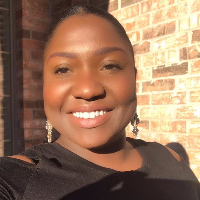
Eve Mary Richard
LCSW
Practical, growth-focused therapy and coaching
Opens BetterHelp in a new tab, where you can review online therapy options.
- Goal oriented
- Warm and direct
- Multilingual
About Eve
Her style is warm and straightforward. She centers conversations on the client and uses a growth-mindset approach to set clear, doable goals. Sessions focus on practical steps, skills practice, and problem solving tailored to each person's needs.
Eve blends several methods to match the moment. She uses attachment-based ideas to look at important relationships and how they affect feelings. Cognitive behavioral strategies help people notice unhelpful thoughts and change behaviors. Dialectical skills are used for managing intense emotions and building steadier routines.
She has a history of working with adults on autism spectrum concerns, family dynamics, and social or work integration. Eve also has a strong focus on trauma recovery and on helping people rebuild after loss or difficult life events.
She speaks English, French, and Haitian Creole. Eve works from Florida and is available to work with international clients. To begin, she asks people to name a few clear goals so sessions can move toward practical change together.
Areas of expertise
Primary focus
Also works with
Additional focus areas
Therapeutic approaches
Experience
19+ years
Credentials
Texas, Florida
Languages
English, French, Haitian Creole
Practical approaches that work online
Attachment-based work looks at how early and close relationships shape current feelings and reactions. It helps people understand why they respond strongly in certain relationships and build new ways of connecting. Cognitive Behavioral Therapy (CBT) focuses on spotting unhelpful thoughts and testing them with real-life experiments. CBT helps with anxiety, depression, sleep, and anger by teaching clear skills to change thinking and behavior. Dialectical Behavior Therapy (DBT) offers emotion regulation and distress tolerance tools for intense feelings and impulsive reactions; it pairs acceptance with change-oriented techniques.Finding the right approach is a shared process. The therapist collaborates with each person to pick methods that fit their goals and preferences, and adjusts strategies over time based on what helps most. Clients shape the plan and provide feedback as progress unfolds.
Confirm current session formats before booking so you know what is offered. Online work can make it easier to fit therapy into a busy life - shorter check-ins, easier access from different locations, or avoiding travel time. It also allows consistent momentum on skills practice between sessions. Ask about scheduling and format options when you complete the matching questionnaire so sessions suit your routine and needs.
At a glance
- Listed location
- Florida
- Experience
- 19+ years
- Credentials
- LCSW
- Languages
- English, French, Haitian Creole
- License (Texas)
- LCSW · No. 41818
- License (Florida)
- LCSW · No. SW18413
- NPI
- 1194311175
As listed by the therapist. You can check a license with the state board and an NPI with the national registry.
Frequently asked questions
What concerns does Eve address?
Eve supports people with stress, anxiety, anger, depression, trauma and abuse, parenting and relationship difficulties, grief, ADHD, and related issues.
What is her therapeutic style like?
Her approach is person-centered with a growth mindset. Sessions tend to be practical, goal-focused, and geared toward skill building and problem solving.
How much clinical experience does she have?
She brings 19 years of experience as a Licensed Clinical Social Worker and behavioral coach working with a wide range of concerns.
Where is Eve based and what license does she hold?
She practices from Florida and holds the LCSW credential, with licensure noted as TX LCSW and FL LCSW.
Which languages are supported in sessions?
Sessions are offered in English, French, and Haitian Creole.
Can international clients work with her?
Yes, she accepts international clients; check scheduling options to match time zones and availability.
How are costs and billing handled?
Cost varies with location and therapist availability; sessions use a subscription that can be canceled at any time.
What steps start the process of working together?
Click the Start Therapy button, complete a short matching questionnaire, and then schedule sessions according to the therapist's availability.
Before you start
- Online talk therapy is not a court-ordered or mandated anger-management course, and it does not provide attendance certificates.
- Check that the location and license details above fit where you live.
- If anyone is at risk of being harmed, contact emergency services or a domestic-abuse helpline first. See the support lines for the US, UK and Australia.