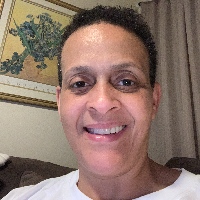
Eugenia Davis
LCMHC
Compassionate clinician with practical strategies
Opens BetterHelp in a new tab, where you can review online therapy options.
- Direct guidance
- Practical tools
- Long experience
About Eugenia
Her background includes work with substance use concerns and long-term mental illness. Over 22 years she has worked in many settings, including with people from foster care, correctional settings, and a wide age range. That work shaped a practical, straight-forward approach to treatment.
In sessions she focuses on clear conversation and practical perspective shifts. She helps people name stressors, spot patterns, and try new ways of responding. She sees therapy as a collaborative process where the person already has strengths and solutions to build on.
Her methods draw on client-centered approaches, cognitive behavioral tools, emotionally-focused ideas, mindfulness, and motivational interviewing. Those options are used to match what a person needs for mood, anxiety, addiction, anger, grief, relationship strain, or life transitions.
People who prefer direct feedback and concrete strategies often find her style a good fit. She aims to offer steady, nonjudgmental perspective and clear steps to practice between meetings. To get started clients use the platform Start Therapy flow and schedule according to availability.
Areas of expertise
Primary focus
Also works with
Additional focus areas
Therapeutic approaches
Experience
22+ years
Credentials
North Carolina
Languages
English
Approaches that guide online work
Client-centered therapy focuses on the person's experience and priorities. The therapist listens closely, reflects what she hears, and helps people identify their own goals and strengths. This approach is useful for building trust and finding what matters most to the client.Cognitive Behavioral Therapy (CBT) offers concrete tools to spot unhelpful thinking and try small behavioral changes. It is often used for anxiety, depression, anger, and coping with life changes because it breaks problems into manageable steps.
Emotionally-Focused Therapy (EFT) helps people notice emotions and how they shape interactions and choices. It can be helpful for relationship strain, intimacy concerns, and managing strong feelings that repeat over time.
Finding the right approach is part of the work. The therapist will talk with the client about goals, preferences, and what feels useful. Together they decide which methods to try and adjust them as progress is made.
Confirm the available online session options before booking since formats were not specified in the biography. Many people find online therapy helps fit sessions into a busy life by cutting travel, allowing shorter check-ins during a lunch break, or making it easier to maintain continuity while traveling. Licensed professionals can also blend mindful exercises and CBT tools into online sessions so skills can be practiced between meetings.
At a glance
- Listed location
- North Carolina
- Experience
- 22+ years
- Credentials
- LCMHC
- Languages
- English
- License (North Carolina)
- LCMHC · No. 9235
- NPI
- 1043510951
As listed by the therapist. You can check a license with the state board and an NPI with the national registry.
Frequently asked questions
What kinds of problems does she help with?
She works with stress, anxiety, depression, addictions, anger, relationship and intimacy issues, grief, trauma and many related concerns listed in her specialties.
How would you describe her therapy style?
The approach is conversational and practical, emphasizing perspective shifts, skill-building, and collaborative goal setting rather than handing down answers.
What is her clinical background?
She has over 22 years of experience in mental health and substance use settings and holds a Master of Science in Mental Health Counseling.
Is she licensed and where does she practice?
She is a Licensed Clinical Mental Health Counselor (LCMHC) practicing in North Carolina.
Can I work with her if I live outside the United States?
Sessions are offered in English and she accepts international clients according to the platform arrangements.
What session formats are available?
The biography does not list specific session formats; please confirm the current options before booking so you know which formats are offered.
How are fees handled?
Cost varies by location and therapist availability; sessions use a subscription model that can be canceled at any time.
How do I begin working together?
Use the Start Therapy button, complete the brief matching questionnaire, and schedule sessions according to the therapist's availability.
Before you start
- Online talk therapy is not a court-ordered or mandated anger-management course, and it does not provide attendance certificates.
- Check that the location and license details above fit where you live.
- If anyone is at risk of being harmed, contact emergency services or a domestic-abuse helpline first. See the support lines for the US, UK and Australia.