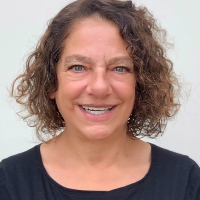
Emily Salkever-Scott
LPC, LCMHC
Hopeful, trauma-informed counselor focused on change
Opens BetterHelp in a new tab, where you can review online therapy options.
- Person-centered care
- Practical coping skills
- Trauma-informed approach
About Emily
In sessions she uses straightforward tools from cognitive behavioral therapy and dialectical behavior therapy to help manage intense emotions and difficult thoughts. She also draws on acceptance and commitment and attachment-based ideas to address relationship patterns and values-driven change. The goal is to match techniques to what matters most to the client, not to force a one-size-fits-all plan.
Emily has experience helping people with a wide range of concerns. These include anxiety, depression, grief and loss, anger, coping with life changes, addiction, parenting stress, and issues around identity and relationships. She also supports people facing burnout, compassion fatigue, ADHD, and mood conditions such as bipolar disorder.
Her background includes work with trauma and abuse, adoption and foster care related concerns, attachment issues, and challenges tied to aging or caregiving. Emily emphasizes practical skills, gentle curiosity about patterns, and clear goals for progress. She encourages people to name what they want to change and then build small steps toward those changes.
Emily practices in New Hampshire and communicates in English. She accepts international clients and uses a subscription scheduling model that can be canceled at any time. To begin, visitors are asked to complete a short matching questionnaire and schedule according to therapist availability.
Areas of expertise
Primary focus
Also works with
Additional focus areas
Therapeutic approaches
Experience
7+ years
Credentials
Pennsylvania, New Hampshire
Languages
English
How Emily’s approaches translate to online work
Emily uses cognitive behavioral therapy and dialectical behavior therapy alongside acceptance and commitment ideas to help people manage emotions and make values-based changes. CBT provides practical steps to identify and change unhelpful thought patterns. DBT teaches emotion regulation, distress tolerance, and interpersonal skills for intense moments. Acceptance and Commitment Therapy (ACT) helps clients clarify values and take committed action even when uncomfortable feelings remain.Finding the right approach is part of the work. Emily works collaboratively to figure out which combination of methods fits a person's goals, needs, and preferences. She aims to explain options clearly and tries small experiments to see what helps most in real life.
If you are considering online therapy, confirm the session formats available before booking so they match your needs. Many people find online sessions useful because they can fit therapy into a workday, avoid travel time, and practice skills between meetings. Talk through scheduling and practical needs with the therapist when you match so sessions can be arranged to suit your routine.
At a glance
- Listed location
- New Hampshire
- Experience
- 7+ years
- Credentials
- LPC, LCMHC
- Languages
- English
- License (Pennsylvania)
- LPC · No. PC012475
- License (New Hampshire)
- LCMHC · No. 3468
- NPI
- 1861006157
As listed by the therapist. You can check a license with the state board and an NPI with the national registry.
Frequently asked questions
What concerns does Emily commonly address?
She helps with a broad range of issues including anxiety, depression, grief, anger, addictions, relationship and intimacy concerns, parenting stress, ADHD, and coping with life changes.
How would you describe her therapy style?
Emily uses a trauma-informed, person-centered style that combines practical CBT and DBT skills with acceptance and attachment-informed work to fit each person's goals.
What is her professional background?
She has seven years of experience in clinical settings and reports extensive training in CBT, DBT, motivational interviewing, and positive therapy approaches.
Where is Emily licensed to practice?
She holds the credentials LPC and LCMHC with practice connected to New Hampshire and Pennsylvania credentialing noted as PA LPC and NH LCMHC.
Which languages are supported for sessions?
Sessions are offered in English.
Can people outside the U.S. work with her?
International clients are accepted; confirm suitability and any region-specific logistics before booking.
How does pricing and payment work?
Cost varies with location and therapist availability, and sessions are provided through a subscription model that can be canceled at any time.
What steps are needed to start working together?
Click the Start Therapy button, complete a short matching questionnaire, and schedule sessions according to therapist availability.
Before you start
- Online talk therapy is not a court-ordered or mandated anger-management course, and it does not provide attendance certificates.
- Check that the location and license details above fit where you live.
- If anyone is at risk of being harmed, contact emergency services or a domestic-abuse helpline first. See the support lines for the US, UK and Australia.