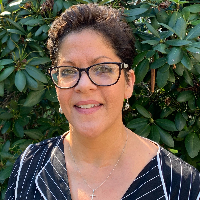
Elizabeth DeLullo
LPC
Compassionate counselor who listens and teaches skills
Opens BetterHelp in a new tab, where you can review online therapy options.
- Collaborative approach
- Skill-based tools
- Focus on meaning
About Elizabeth
She describes therapy as a collaboration. Sessions focus on strengths and on the idea that a person’s worth was never in question. When helpful, she teaches practical skills and techniques to manage symptoms and navigate difficult moments.
DeLullo has 11 years of counseling experience and has worked with a wide range of concerns, including anxiety, depression, grief, self-esteem, eating issues, ADHD, and anger. Her background includes volunteer work in hospice and training that covered grief and bereavement support.
Her clinical work draws on Cognitive Behavioral Therapy, which looks at how thoughts affect feelings and behavior. She also uses Client-Centered Therapy, following the client's lead, and Attachment-Based approaches to understand relationship patterns. Acceptance and Commitment Therapy and Existential ideas influence how she explores values and meaning.
People who come to her can expect clear conversation, practical tools, and a focus on everyday steps. She offers care from Pennsylvania and works in English. To begin, a short matching questionnaire is used to pair people with a therapist and schedule sessions.
Areas of expertise
Primary focus
Also works with
Additional focus areas
Therapeutic approaches
Experience
11+ years
Credentials
Pennsylvania
Languages
English
Approaches that shape online work and goals
Acceptance and Commitment Therapy (ACT) focuses on clarifying what matters to a person and taking small steps toward those values, even when difficult feelings are present. It can help with chronic worry, avoidance, and making choices that fit a meaningful life.Cognitive Behavioral Therapy (CBT) looks at the links between thoughts, feelings, and actions. It teaches practical exercises to test unhelpful thoughts and change patterns that keep problems like anxiety or depression going.
Attachment-Based Therapy examines how early relationship patterns show up in current connections. That perspective can help people understand why they react a certain way in close relationships or struggle with intimacy-related issues.
Choosing the right approach is part of the work. The therapist will collaborate with each person to decide which methods fit their goals, needs, and comfort level. Plans can shift as progress is made or as new priorities emerge.
The practical benefits of online sessions should be confirmed before booking, since specific session formats are not listed here. In general, online work can make it easier to fit therapy into a busy week, allow shorter check-ins when needed, and reduce travel time. Talk with the therapist during the matching process to confirm the session options that will best fit everyday life.
At a glance
- Listed location
- Pennsylvania
- Experience
- 11+ years
- Credentials
- LPC
- Languages
- English
- License (Pennsylvania)
- LPC · No. PC009301
- NPI
- 1790227247
As listed by the therapist. You can check a license with the state board and an NPI with the national registry.
Frequently asked questions
What issues does Elizabeth commonly address?
She helps people facing stress, anxiety, depression, grief, self-esteem struggles, anger, eating and body image concerns, ADHD, and relationship or intimacy-related issues.
How would you describe her therapy style?
Her style is collaborative and down-to-earth. She listens first, follows the client's lead, and teaches practical skills when they are needed.
What is her clinical background?
She holds a Master of Science in Clinical Counseling and has 11 years of experience, including hospice volunteer work that informed her grief support skills.
What credentials and region are listed for this therapist?
She is a Licensed Professional Counselor (LPC) practicing from Pennsylvania and holds the credential LPC.
Which languages are supported for sessions?
Sessions are offered in English.
Are international clients accepted?
International clients are not currently accepted.
How are sessions scheduled and paid for?
Cost varies with location and therapist availability; sessions use a subscription that can be canceled at any time.
How do I start working with this therapist?
Select the Start Therapy button, complete a short matching questionnaire, and schedule according to the therapist's availability.
Before you start
- Online talk therapy is not a court-ordered or mandated anger-management course, and it does not provide attendance certificates.
- Check that the location and license details above fit where you live.
- If anyone is at risk of being harmed, contact emergency services or a domestic-abuse helpline first. See the support lines for the US, UK and Australia.