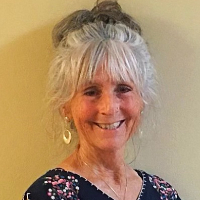
Elizabeth Chavez
LPCC
Collaborative, practical support for strong emotions
Opens BetterHelp in a new tab, where you can review online therapy options.
- 20 years experience
- Person-centered care
- Skills-focused approach
About Elizabeth
She treats each person as an individual and starts by listening. Sessions are conversational and aimed at understanding a person's needs, strengths, fears, and goals. Elizabeth uses what the person brings to the room to shape the work together rather than applying a one-size-fits-all plan.
Elizabeth often blends practical skills with reflective work. She may use strategies from Cognitive Behavioral Therapy to notice and change unhelpful thinking and DBT skills to manage intense emotions. Mindfulness practices are used to build moment-to-moment awareness and reduce reactivity.
Her background includes work with trauma, substance use, and settings where safety and stabilization matter. That experience informs a focus on concrete tools people can use right away to feel steadier and more in control. She also supports people facing existential concerns and life transitions.
People who connect well with Elizabeth usually want clear tools plus a space to talk through what is happening in their life. She aims to help people get short-term relief and build routines that support long-term coping. To begin, clients decide what matters most and she tailors sessions to those goals.
Areas of expertise
Also works with
Additional focus areas
Therapeutic approaches
Experience
20+ years
Credentials
New Mexico
Languages
English
Approaches that guide online sessions
Client-Centered Therapy is about listening and following the person’s lead. The therapist asks questions, reflects what she hears, and helps clients clarify their goals and priorities. This approach helps when someone needs a supportive, respectful conversation to make sense of difficult feelings.Cognitive Behavioral Therapy, or CBT, focuses on identifying thoughts and behaviors that keep problems going. It teaches practical skills to shift thinking patterns and build small habits that reduce anxiety, depression, and stress. Dialectical Behavior Therapy, or DBT, provides skills for managing strong emotions and improving emotional regulation and interpersonal effectiveness.
Finding the right approach is a shared process. The therapist will work with each person to pick methods that match their goals and comfort level. That might mean starting with skills from CBT, adding DBT strategies for emotion regulation, or keeping the work mostly client-centered when reflection is the priority.
Online therapy can make it easier to fit sessions into busy lives. Many people use online sessions to avoid travel time, keep a regular schedule around work or caregiving, or have shorter check-ins when needed. The exact session formats available should be confirmed before booking, since options can vary; ask about what is currently offered so sessions match your routine and technical needs.
At a glance
- Listed location
- New Mexico
- Experience
- 20+ years
- Credentials
- LPCC
- Languages
- English
- License (New Mexico)
- LPCC · No. CCMH0195581
- NPI
- 1346338027
As listed by the therapist. You can check a license with the state board and an NPI with the national registry.
Frequently asked questions
What kinds of concerns does Elizabeth help with?
She works with stress, anxiety, depression, addictions, trauma, grief, anger, and related issues such as self-esteem, sleep problems, and parenting strain.
What is her general therapy style?
Her style is person-centered and conversational. She listens first, then uses practical skills and reflective work tailored to each person's needs.
How much experience does she have?
She has 20 years of experience in a range of settings including psychiatric hospitals, correctional facilities, substance treatment centers, and community counseling centers.
What are her credentials and where is she based?
She holds an LPCC credential and practices from New Mexico.
Which languages are offered for sessions?
Sessions are offered in English.
Can international clients work with her?
She is not currently accepting international clients.
How are sessions priced?
Cost varies with location and therapist availability; sessions use a subscription that can be canceled at any time.
How do I begin working with her?
Select the Start Therapy button, complete a short matching questionnaire, and schedule according to therapist availability.
Before you start
- Online talk therapy is not a court-ordered or mandated anger-management course, and it does not provide attendance certificates.
- Check that the location and license details above fit where you live.
- If anyone is at risk of being harmed, contact emergency services or a domestic-abuse helpline first. See the support lines for the US, UK and Australia.