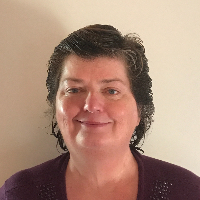
Dorothy Carskadon
LCSW
Practical, resource-focused therapy for everyday struggles
Opens BetterHelp in a new tab, where you can review online therapy options.
- Resource counselor
- Practical tools
- LGBTQ+ inclusive
About Dorothy
She uses clear, hands-on tools in sessions. Dorothy shares worksheets, articles, videos, and other resources people can try between meetings. She describes herself as a resource counselor who focuses on helping people make decisions that fit their values.
Her work blends cognitive behavioral ideas with emotional awareness and mindfulness. That means looking at how thoughts and feelings shape choices, then testing small changes in daily life. She also uses solution-focused steps to set reachable goals and build momentum.
Dorothy includes positive psychology in her approach, helping people notice strengths and small wins. She identifies patterns that keep stress and anger alive and helps clients try different responses. She is an LGBTQ+ counselor and says her faith informs the values she brings to sessions.
Clients can expect straightforward conversation and practical homework. Dorothy aims to equip people with tools for coping, clearer communication, and better everyday functioning. She works from Arizona and conducts therapy in English.
Areas of expertise
Primary focus
Also works with
Additional focus areas
Therapeutic approaches
Experience
26+ years
Credentials
Texas, Illinois, Arizona
Languages
English
Therapeutic approaches and how they translate online
Client-centered therapy focuses on listening and following the client's priorities. Online sessions using this approach let the therapist reflect concerns back and help people set the pace for what they want to work on. Cognitive Behavioral Therapy, or CBT, looks at the links between thoughts, feelings, and actions and uses short exercises to test new responses; it works well for stress, anxiety, anger, and depression. Emotionally-Focused Therapy helps people notice and name strong emotions and then practice different ways of responding during everyday interactions.Choosing the right approach is a shared process. Dorothy will discuss options and try methods that match a person's goals and comfort level. That collaborative planning can change as needs evolve, and clients are invited to give feedback about what is or isn't helping.
Practical benefits of online work include easier scheduling and fitting sessions into a busy week. Online therapy can reduce travel time and make it simpler to keep regular meetings during life transitions. The biography does not list specific session formats, so confirm current options before booking to know whether video or phone is used. The aim is to make therapy fit everyday life while using approaches that teach concrete skills and small experiments clients can use between sessions.
At a glance
- Listed location
- Arizona
- Experience
- 26+ years
- Credentials
- LCSW
- Languages
- English
- License (Texas)
- LCSW · No. 104727
- License (Illinois)
- LCSW · No. 149008764
- License (Arizona)
- LCSW · No. LCSW-21244
- NPI
- 1134229081
As listed by the therapist. You can check a license with the state board and an NPI with the national registry.
Frequently asked questions
What concerns does Dorothy commonly address?
She helps people with stress, anxiety, anger, depression, relationship and family issues, addictions, grief, self-esteem, career questions, and coping with major life changes.
What is her general therapy style?
Sessions are practical and focused. She uses worksheets, videos, and exercises to help people try new coping steps between meetings.
How much clinical experience does she have?
She has 26 years of experience as a licensed clinical social worker and has worked extensively with veterans and their families earlier in her career.
What credentials and location are listed?
She holds LCSW credentials and practices from Arizona, with license details recorded as IL LCSW and TX LCSW in her background.
Which languages are supported and can international clients work with her?
Sessions are offered in English. She is not currently accepting international clients.
What session formats are available?
Specific session formats are not listed in the biography; please confirm current session options before booking to make sure they meet your needs.
How does billing and cost work?
Cost varies with location and therapist availability, and sessions use a subscription that can be canceled at any time.
What steps are needed to begin therapy?
Use the Start Therapy button, complete a short matching questionnaire, and schedule according to the therapist's availability.
Before you start
- Online talk therapy is not a court-ordered or mandated anger-management course, and it does not provide attendance certificates.
- Check that the location and license details above fit where you live.
- If anyone is at risk of being harmed, contact emergency services or a domestic-abuse helpline first. See the support lines for the US, UK and Australia.